
- All
- Product Name
- Product Keyword
- Product Model
- Product Summary
- Product Description
- Multi Field Search
Views: 0 Author: Site Editor Publish Time: 2025-11-12 Origin: Site


A kitchen tap is more than just a functional fixture—it is a central component of your kitchen design that affects convenience, hygiene, and aesthetics. The kitchen is one of the busiest spaces in any home, and a well-chosen tap can dramatically improve workflow, efficiency, and overall satisfaction during daily tasks. From washing fruits and vegetables to rinsing pots and pans, the kitchen tap you select impacts both your comfort and the overall usability of your kitchen space.
Choosing the right kitchen tap also contributes to water conservation and long-term durability. Selecting a tap that combines style, functionality, and certified safety standards ensures not only a visually appealing kitchen but also a practical one that stands the test of time. Modern taps are designed to accommodate different sink sizes, varying water pressures, and diverse user needs, making the selection process more nuanced than ever.
With a wide range of materials, finishes, and innovative designs now available, understanding what features and types are best suited for your kitchen becomes essential. This article will guide you through the key considerations, main types of kitchen taps, material choices, advanced features, and tips for selecting a high-quality option that meets all your needs.
Choosing the right kitchen tap involves careful consideration of several critical factors. A tap that is well-matched to your kitchen layout, water supply, and lifestyle requirements can significantly enhance usability, prevent long-term issues, and elevate the overall kitchen experience.
Kitchen taps can be either deck-mounted or wall-mounted, and each type has its advantages depending on your kitchen configuration.
Deck-mounted taps are attached to the countertop or sink surface and are widely used in contemporary kitchens. They are versatile, easy to install, and compatible with most sink designs. Their placement on the deck allows for greater flexibility when pairing with various sink styles and ensures easy access to controls.
Wall-mounted taps are fixed directly to the wall above the sink, which helps free up countertop space and makes cleaning easier. They also create a streamlined, minimalist appearance that works particularly well in modern, industrial, or compact kitchen designs. Wall-mounted taps require careful planning for water supply lines and are generally installed during the kitchen construction or remodeling phase.
Choosing the correct installation type ensures the tap functions correctly and harmonizes with the overall kitchen layout.
The dimensions and configuration of your sink directly influence which tap type is most suitable. A single sink requires a tap with adequate reach and height, while a double or farmhouse sink may need a taller or extendable tap to cover the larger surface area.
Consider the space around the sink as well. High-arc taps require clearance for cabinets or shelves above the sink, while pull-down spray taps need sufficient space for their hose to extend fully. Assessing these factors before selecting a tap ensures practical functionality and prevents awkward placement or interference with surrounding fixtures.
Water pressure varies widely between homes and regions, and not all taps perform equally under different pressures. Selecting a kitchen tap that is compatible with your home’s water pressure is crucial to avoid inconsistent flow, leaks, or premature wear. Many modern taps specify their minimum and maximum water pressure range, helping users make informed choices.
Proper pressure compatibility also ensures efficient water use. A tap designed for low pressure will often feature enhanced aeration technology to maintain a steady, effective flow without wasting water. Conversely, a high-pressure tap ensures full functionality in homes with strong water supply systems.
Water efficiency is an increasingly important factor when selecting a kitchen tap. Certified products such as those meeting WaterMark and WELS standards offer measurable benefits.
WaterMark certification confirms the product adheres to stringent plumbing safety and durability standards, ensuring it is reliable and safe for daily use.
WELS certification evaluates water efficiency, helping to reduce household water consumption and utility costs. Selecting a certified kitchen tap can contribute to both environmental sustainability and long-term savings, making it a practical and responsible choice.
Understanding the different types of kitchen taps allows homeowners to choose a model that balances functionality, design, and convenience.
Single handle mixer taps are highly popular due to their simplicity and modern appearance. A single lever controls both the water flow and temperature, allowing for effortless operation with one hand.
Advantages:
Quick and easy temperature adjustment
Minimalist design complements contemporary kitchens
Reduced clutter around the sink area
Best For: Small to medium kitchens where practicality and aesthetics are equally important.
Pull-out and pull-down spray taps feature flexible hoses that extend or retract, making them highly versatile for various kitchen tasks.
Advantages:
Multi-functional with different spray modes
Ideal for washing oversized dishes or cleaning deep sinks
Reduces splashing and improves overall kitchen efficiency
Best For: Busy kitchens with frequent use of large cookware or where multitasking is common.
Dual handle taps feature separate handles for hot and cold water, providing precise control over water temperature. Their classic design suits kitchens with a traditional or retro style.
Advantages:
Accurate temperature control for consistent comfort
Durable design with fewer mechanical failures
Timeless aesthetic suitable for various kitchen decors
Best For: Classic-style or European-inspired kitchens where design and functionality intersect.
Wall-mounted taps are installed above the sink on the wall, leaving the countertop clear for other uses.
Advantages:
Frees up workspace on the countertop
Simplifies cleaning and reduces water pooling around the sink
Provides a sleek, modern appearance
Best For: Compact kitchens, small apartments, or commercial environments where countertop space is limited.
The material and finish of your kitchen tap significantly influence its longevity, aesthetic appeal, and ease of maintenance.
Resistant to rust and corrosion, ideal for humid kitchen environments
Sleek, modern appearance that complements most contemporary kitchens
Easy to maintain and clean, ensuring long-lasting beauty
Naturally durable and corrosion-resistant
Often chosen for premium kitchen tap designs
Offers a classic or traditional look that can enhance kitchen elegance
Shiny and reflective, creating a polished appearance
Matches various kitchen styles and accessories
Relatively affordable while offering good durability
High-end aesthetic with a sophisticated, modern look
Conceals fingerprints and water spots better than polished finishes
Works well in contemporary or industrial-style kitchens
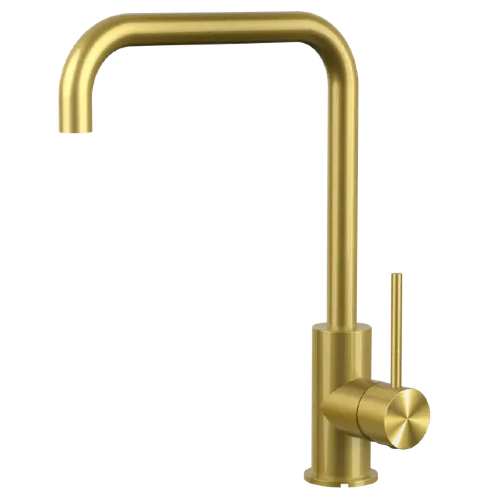
Modern kitchen taps often include functional features that enhance usability, efficiency, and convenience in busy kitchens.
Aerators help control water flow without compromising pressure, reducing overall water consumption while maintaining performance. This feature is essential for environmentally conscious households and for reducing utility bills over time.
Flexible spouts allow for 360-degree rotation, while pull-out hoses enable easy access to all corners of the sink. These features improve functionality for washing dishes, rinsing vegetables, and filling large pots.
High-quality ceramic cartridges prevent leaks and ensure smooth operation for years. This component reduces wear on the tap mechanism and contributes to its overall longevity.
Touchless taps minimize contact, promoting hygiene by preventing cross-contamination. They are ideal for households with children or those prioritizing cleanliness in busy kitchens.
Some advanced models include built-in water filters or temperature presets, providing both safe drinking water and convenient control over hot and cold water, enhancing daily kitchen efficiency.
Kitchen Tap Type | Best For | Advantages | Considerations |
Single Handle Mixer | Compact kitchens | Easy to use, sleek look | May lack precise control |
Pull-Out / Pull-Down | Busy family kitchens | Flexible, easy cleaning | Higher cost |
Dual Handle | Classic-style kitchens | Accurate temperature control | Requires more space |
Wall-Mounted | Small kitchens / cafés | Space-saving, modern | Installation complexity |
This table summarizes the key characteristics of each tap type, helping homeowners make an informed choice that fits both kitchen layout and daily requirements.
High-quality kitchen taps combine design, functionality, and certified safety standards. Brands that focus on certified, durable products offer lasting value and consistent performance.
Certified Quality: Certified taps meet strict safety and durability standards, ensuring reliable performance.
Durable Materials: Brass and stainless steel construction prevents corrosion and ensures long-term use.
Wide Variety: Multiple finishes and styles allow seamless integration with any kitchen décor.
Comprehensive Solutions: Full range of kitchen fixtures ensures a coordinated and elegant kitchen environment.
Proper installation is critical to ensure your kitchen tap performs effectively and lasts for years.
Ensure water supply lines are compatible with the chosen tap type.
Follow manufacturer instructions for deck or wall-mounted installations.
Use appropriate sealing methods to prevent leaks and water damage.
Regularly check connections and fittings to maintain optimal performance.
Maintaining your kitchen tap enhances its lifespan and keeps it looking new.
Clean with mild soap and a soft cloth to prevent scratches.
Avoid abrasive chemicals that can damage finishes.
Regularly clean aerators and spray heads to prevent mineral buildup.
Inspect connections periodically for wear or looseness.
Replace worn washers or cartridges promptly.
Ensure the tap is compatible with your water pressure for long-term durability.
Selecting the ideal kitchen tap involves finding the perfect balance between style, functionality, and long-lasting quality. Modern kitchens increasingly demand taps that are not only visually appealing but also water-efficient, versatile, and built to meet certified safety standards. Whether you prefer a sleek, minimalist single handle mixer, a flexible pull-down spray tap for busy kitchens, or a timeless dual handle design, investing in a high-quality, certified kitchen tap can greatly enhance your daily cooking and cleaning experience.
For homeowners, designers, and professionals seeking reliable, durable, and certified solutions, exploring the range of products offered by TRANSTAR Machinery Co., Ltd. is an excellent step. Their kitchen taps are designed to meet international standards, combining practicality with elegant finishes that suit various kitchen styles. By learning more about their product offerings or reaching out directly to their team, you can find a kitchen tap that not only elevates your kitchen’s functionality but also ensures lasting performance and satisfaction. Take the opportunity to connect with TRANSTAR Machinery Co., Ltd. to discover the right solution for your next kitchen upgrade.
Q1: Which kitchen tap is most durable?
A: Stainless steel or brass taps with ceramic cartridges provide the best longevity and leak prevention.
Q2: Are pull-out kitchen taps worth it?
A: Yes, they offer flexibility for cleaning large dishes and make everyday tasks easier.
Q3: What certifications should I look for when buying a kitchen tap?
A: Look for certifications that ensure safety, water efficiency, and compliance with international plumbing standards.
Q4: How do I maintain my kitchen tap for longer use?
A: Regularly clean with mild soap, avoid harsh chemicals, and inspect aerators and cartridges for proper functioning.
Q5: How can I ensure my kitchen tap lasts for many years?
A: Choose high-quality materials, follow installation guidelines carefully, and perform routine maintenance to prevent leaks and corrosion.


