
- All
- Product Name
- Product Keyword
- Product Model
- Product Summary
- Product Description
- Multi Field Search
Views: 0 Author: Site Editor Publish Time: 2026-09-07 Origin: Site


Choosing the right basin often forces a difficult decision between industrial reliability and aesthetic integration. We understand the high stakes involved in your upcoming kitchen renovation. Kitchen sinks serve as extreme high-wear fixtures every single day. If they fail prematurely, replacing them requires highly intrusive countertop alterations and expensive plumbing work. You must get this choice right the first time. This article provides an objective, material-science and installation-focused breakdown to help you finalize your purchase decision. We will explore underlying structural realities, daily performance factors, and long-term maintenance profiles. By the end, you will understand exactly how each option behaves under intense daily pressure.
Material Reality: "Granite" sinks are actually engineered granite composites (stone dust mixed with acrylic resins), while stainless steel relies on chromium-nickel alloys and gauge thickness.
Durability Trade-offs: Stainless steel dents under extreme impact but will never crack; granite composite resists scratching but risks chipping or thermal shock from heavy, hot cookware.
Maintenance Profiles: A stainless sink shows water spots easily but tolerates harsh chemicals; granite conceals spots but requires specialized cleaners to prevent resin haze.
Cost & Compliance: Stainless offers a wider budget range, but both materials require verification against regional plumbing standards (e.g., ensuring they are certified WaterMark kitchen products).
Let us examine the exact chemical composition first. When purchasing a granite kitchen sink, you do not receive a carved block of natural earth. Manufacturers engineer these fixtures heavily. They blend approximately 80% natural quartz or granite stone dust. They bind this stone dust together using 20% acrylic resin.
We must debunk the common "solid stone" myth. Many homeowners assume pure natural stone performs best. In reality, engineered composite proves structurally superior as a reliable kitchen sink material. Pure natural granite possesses high porosity. It absorbs liquids and harbors bacteria easily. It also contains natural fault lines. These invisible lines make natural stone prone to unexpected cracking under heavy weight. Composite materials eliminate these inherent flaws. The acrylic resin binds the stone dust perfectly. It creates a dense, non-porous barrier. This barrier delivers high structural consistency across the entire basin. You get the visual appeal of stone without the severe vulnerabilities.
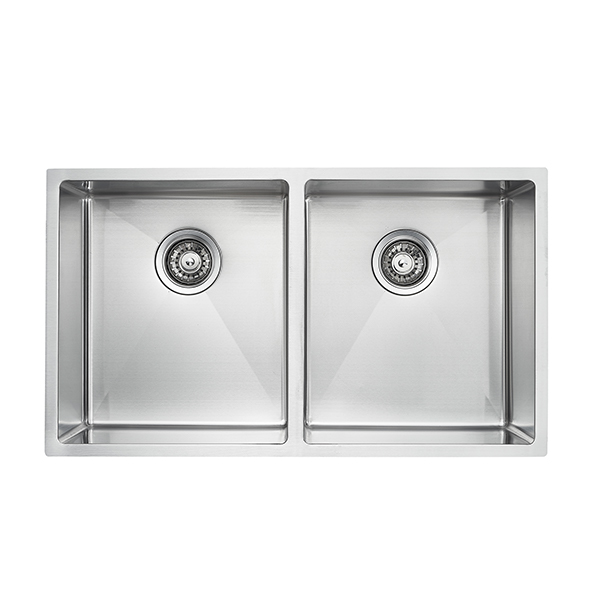
Now let us analyze the metal alternative. A premium stainless steel kitchen sink relies on precise chromium-nickel alloys. The specific metallurgical grade matters immensely for long-term longevity. The 304 series acts as the standard baseline. It contains roughly 18% chromium and 8% nickel. This blend provides exceptionally high rust resistance for standard domestic chores. The 316 series represents true marine-grade quality. It adds molybdenum to the alloy mix. This delivers maximum corrosion resistance against harsh salts, acidic foods, and humid coastal environments.
Beyond the chemical grade, physical thickness dictates daily performance. The industry utilizes a specific gauge system to measure this metric. Lower gauge numbers always indicate thicker, stronger metal. We break down the standard gauge system below:
Gauge Rating | Approximate Thickness | Structural Integrity | Common Application |
|---|---|---|---|
16-Gauge | 0.0625 inches | Premium | Luxury homes, heavy cast-iron daily use |
18-Gauge | 0.0500 inches | Standard | Typical residential installations |
20-Gauge | 0.0375 inches | Flimsy | Light-use utility rooms |
22-Gauge | 0.0312 inches | Poor | Temporary setups, lightweight RVs |
Thicker metal directly dictates structural integrity. It prevents the basin from flexing under heavy water loads. It also massively improves noise reduction during active washing.
We must evaluate the notorious cast iron drop test. Kitchens inevitably see accidental drops. Imagine a heavy, wet pan slipping from your soapy hands. If it strikes a metal basin, the impact will likely cause a dent. We classify this as strictly cosmetic damage. The steel bends but retains its complete structural integrity. It will never shatter. It remains fully watertight and functional forever.
Conversely, the same heavy drop impacts a stone composite differently. The rigid acrylic-stone matrix lacks necessary flexibility. Extreme blunt force risks chipping the top surface layer. In rare but severe cases, dropping a heavy pot causes sudden structural failure. A cracked resin basin leaks water directly into your cabinetry. You cannot easily repair a cracked composite bowl. You must replace the entire unit immediately.
Daily cooking involves extreme temperature management. Steel handles extreme heat flawlessly. It remains entirely impervious to boiling pasta water and scorching pans. You can transfer a roasting pan directly from a 500-degree oven into the basin safely.
Granite composite offers impressively high heat resistance too. Most manufacturers rate their models safe up to 530°F. However, sudden temperature shifts threaten the material constantly. We call this phenomenon thermal shock. Pouring ice water immediately after draining boiling noodles stresses the basin severely. Over time, repeated thermal shock compromises the internal resin binder. It can trigger deep micro-fissures eventually leading to structural failure.
Granite holds a distinct primary advantage regarding surface wear. It remains highly resistant to micro-scratches from stray cutlery. You can aggressively wash forks and knives without worry. The dense stone matrix repels minor abrasions effectively.
Metal realities require a shift in your expectations. It will inevitably develop a visible patina of micro-scratches. This happens regardless of the alloy grade. Over the years, these countless tiny scratches blend together entirely. They form a slightly duller, softer finish.
Acoustics also separate these options sharply. Granite absorbs sound naturally. Running water hits the stone quietly. A bare steel basin amplifies sound terribly. High-quality models make sound-deadening pads mandatory. Manufacturers attach thick rubber pads to the exterior walls. They also spray heavy undercoating beneath the bowl. These additions eliminate the cheap, "tinny" echo completely.
Hard water introduces specific maintenance challenges. Mineral-rich water leaves deposits everywhere. Dark composite basins frequently show a stubborn, chalky white residue. Calcium and magnesium bond tightly to the textured resin surface. You must perform routine mineral oil treatments. Wiping the dry basin with food-safe mineral oil restores its deep, rich color. It effectively masks the chalky haze between deep cleanings.
A stainless sink acts as a blank canvas for everyday messes. It highlights water spots and greasy fingerprints prominently. You will notice every smudge instantly. However, it cleans to a perfectly sterile finish in seconds. A quick wipe removes all surface residue without specialized oil treatments.
Chemical tolerance varies wildly between these two options. Steel readily tolerates bleach and harsh abrasive scrubbing powders. You can aggressively sanitize the metal after handling raw poultry. You must simply remember to scrub parallel to the factory grain.
Composite demands significantly gentler care. You must clean it using pH-neutral solutions exclusively. Harsh chemicals easily strip the protective acrylic resin. Bleach and ammonia degrade the top layer fast. This chemical deterioration causes permanent discoloration. It often manifests as an irreversible "cloudiness" or white haze over the dark stone.
You must address the significant weight disparity during installation planning. Stone composites carry substantial mass. They place a heavy, continuous load on your base cabinetry. Undermounting a stone composite basin requires robust internal reinforcement. Contractors must build custom timber frames inside the cabinet. They use specialized heavy-duty mounting clips. If poorly supported, the heavy basin can detach from the countertop eventually.
Steel avoids these structural headaches entirely. Its lightweight nature simplifies the installation process dramatically. It allows for seamless undermounting, neat flush-mounting, or easy drop-in installations. You rarely need structural cabinet upgrades to support the weight securely.
Designers approach these materials to achieve distinctly different visual aesthetics. Granite serves as the ideal choice for seamless, matte transitions. It pairs flawlessly with dark, veined, or highly textured stone countertops. It grounds the kitchen island visually and reduces harsh glare from overhead lights.
Steel operates as the ultimate universal neutral. It visually bridges the gap between massive commercial-style appliances and delicate traditional cabinetry. It reflects ambient light beautifully. This reflection helps smaller kitchens feel brighter and more sanitary. Contractors love its sheer versatility across almost any design language.
Regulatory compliance defines fixture safety. We must highlight the critical importance of adhering to municipal plumbing standards. Installing unverified fixtures poses massive risks. It can easily void your home insurance policy in the event of unexpected water damage. It almost guarantees a failed municipal building inspection when selling your home.
You must always check for proper manufacturing certifications. Ensure your selections qualify as certified WaterMark kitchen products or carry equivalent regional stamps like cUPC. These specific certifications guarantee multiple safety factors. They ensure the basin maintains safe internal drainage gradients to prevent standing water. They also verify the raw materials will not leach toxic chemical runoff into your municipal drinking water supply.
To summarize these fundamental differences, we have compiled a structural comparison chart below.
kitchen sink comparison Chart | ||
Performance Metric | Stainless Steel | Granite Composite |
|---|---|---|
Impact Response | Dents under extreme force; never cracks. | Resists moderate impacts; chips or cracks under heavy blunt force. |
Heat Tolerance | Impervious to thermal shock and boiling water. | Resists high heat; susceptible to thermal shock damage over time. |
Scratch Resistance | Develops a micro-scratch patina naturally. | Highly resistant to daily cutlery scratches. |
Cleaning Requirements | Tolerates harsh chemicals and abrasives easily. | Requires pH-neutral cleaners and occasional mineral oil treatments. |
Your final choice shapes your daily kitchen experience for decades. You must evaluate your cooking style and aesthetic goals honestly.
Choose a Stainless Steel Kitchen Sink if: You prioritize indestructible utility above all else. You handle heavy cast-iron cookware frequently. You prefer a sterile, bright commercial aesthetic. You want absolute zero risk of structural cracking.
Choose a Granite Kitchen Sink if: You prioritize a quiet, highly scratch-resistant surface. You want a seamless matte finish to integrate with luxury stone countertops. You rarely drop heavy items into the basin. You are willing to perform minor routine oil maintenance to avoid hard water buildup.
Your next step involves measuring your existing base cabinet carefully. Verify the internal clearance width aligns with your chosen model. Discuss undermounting requirements with your countertop fabricator to ensure perfectly matched drain alignments before ordering.
A: No, they do not crack easily under normal daily use. However, they are not completely immune to structural failure. High-velocity impacts from dropping heavy cast-iron pots can cause chipping. Extreme, sudden temperature shifts can also trigger microscopic cracks within the resin over time.
A: Granite composite proves naturally quieter. The dense stone matrix inherently absorbs sound and vibration. A metal alternative requires applied rubber undercoating and thick sound-deadening pads attached to the exterior walls to achieve similar quiet acoustics.
A: No. You should never use bleach on composite stone. Prolonged exposure to bleach severely deteriorates the acrylic resin binder. This chemical damage causes irreversible discoloration and permanently voids most manufacturer warranties.
A: A 16-gauge model is thicker and functionally superior. It resists accidental denting much better than thinner metal. It also provides a substantially more premium, solid feel and reduces vibration compared to an 18-gauge basin.


