
- All
- Product Name
- Product Keyword
- Product Model
- Product Summary
- Product Description
- Multi Field Search
Views: 0 Author: Site Editor Publish Time: 2026-09-04 Origin: Site


Modern bathroom sanitary ware has evolved rapidly over the last decade. What once seemed like a luxury novelty has quickly transitioned into a highly practical, hygiene-focused upgrade. However, the market currently overflows with models boasting dozens of high-tech features. This creates a challenging landscape for buyers. You often struggle to separate truly functional upgrades from expensive, unnecessary gimmicks. Finding the right balance requires careful consideration.
You need a reliable way to evaluate which functions actually improve daily routines. This article provides a skeptical, evidence-based evaluation framework. We will help you choose a reliable smart toilet based on daily utility, installation realities, and long-term performance. You will learn how to filter out low-value features. Furthermore, you will discover how to prioritize the mechanics that genuinely elevate your bathroom environment.
Prioritize daily-use features (heated seats, adjustable bidet wash, auto-flush) over low-utility tech (Bluetooth, apps).
High-quality ceramic WC construction and specialized glazing are just as critical as the electronic components for maintaining hygiene.
Installation requires upfront planning for dedicated GFCI electrical outlets and minimum water pressure thresholds.
Verify regional compliance by looking for WELS toilet and WaterMark toilet certifications to ensure water efficiency and plumbing safety.
When evaluating the return on investment for bathroom upgrades, utility and health metrics matter most. These units offer tangible daily benefits that extend far beyond their modern aesthetics. They actively change how you interact with your bathroom environment.
Water cleans far more effectively than dry paper. Targeted bidet washing removes bacteria thoroughly. This process reduces toilet paper consumption dramatically. Hands-free operation minimizes physical contact points across the bathroom. You touch fewer surfaces overall. This hands-free approach stops germ transmission immediately. Furthermore, many models feature automated wand sanitization. This ensures the bidet nozzle remains pristine before and after every single use.
Advanced bathroom fixtures provide vital support for users lacking full mobility. Auto-opening lids eliminate the need for uncomfortable bending. Automated cleaning cycles maintain sanitation without manual scrubbing. Integrated bidet functions assist those who struggle with traditional wiping methods. These features help restore privacy and dignity. Elderly users or individuals recovering from surgery regain crucial independence. They can navigate their personal hygiene routines without requiring external assistance.
Modern flushing systems optimize water flow aggressively. They target bowl areas with precise engineering. This reduces the total water volume needed per flush. You also cut down paper waste significantly. Sending less paper through the pipes means fewer clogs. It reduces the overall strain on municipal sewer systems. Over time, this resource efficiency benefits both your household infrastructure and the broader environment.
Manufacturers pack these units with endless electronics. You must evaluate each feature based on how often you will actually use it. We categorize these functions into three distinct tiers to guide your selection.
These features deliver immense value. They fundamentally improve the daily bathroom experience.
Adjustable Wash Settings: Everyone requires different water pressure. Temperature control prevents cold shocks during winter months. Adjustable nozzle positions ensure accurate cleaning. These customizable settings define the core bidet experience.
Self-Cleaning Nozzles: Nozzles operate in a heavily contaminated zone. Self-cleaning functions prevent hazardous cross-contamination. Many models use UV sterilization techniques. Others deploy electrolyzed water systems. These systems neutralize bacteria continuously without manual effort.
Heated Seat with Sensor: Heated seats provide massive comfort. However, running heaters constantly wastes energy. Smart seat sensors solve this problem beautifully. They regulate temperature dynamically. The seat warms up only when you approach or sit down.
Auto-Flush: Auto-flush removes human error entirely. It activates immediately upon standing up. This ensures the bowl always stays clean. It creates a fully hands-free experience from start to finish.
These functions improve comfort but might not suit every specific bathroom layout or personal preference.
Warm Air Dryer: Air dryers eliminate paper reliance completely. However, drying times vary wildly between models. Some take several minutes to dry completely. They offer great situational value but demand patience.
Auto-Opening/Closing Lid: This feature offers excellent sanitary benefits. However, it requires adequate bathroom space. Tight layouts often cause frustrating false triggers. The lid might open every time you walk past the open door.
Deodorizer: Built-in deodorizers do not just mask smells. They pull air through internal carbon filtration systems. This neutralizes odors directly at the source. It keeps the room smelling fresh naturally.
Avoid basing your purchase decision on these secondary additions. They often introduce more problems than they solve.
App Connectivity and Bluetooth Speakers: Some manufacturers include smartphone applications. They introduce unnecessary software vulnerabilities. Hardware failure points increase rapidly. You likely do not need a smartphone interface to flush a toilet.
Extensive Mood Lighting: A basic nightlight provides safety in the dark. Multi-color LED systems go too far. They offer minimal practical return. Complex lighting systems just add another component that might eventually break.
Feature Category | Examples | Daily Utility Level |
|---|---|---|
Must-Haves | Adjustable wash, self-cleaning nozzles, auto-flush | High (Essential for hygiene and comfort) |
Nice-to-Haves | Warm air dryer, auto-lid, carbon deodorizer | Medium (Situational, depends on space/patience) |
Overhyped | Bluetooth speakers, mobile apps, RGB lighting | Low (Prone to failure, adds little core value) |
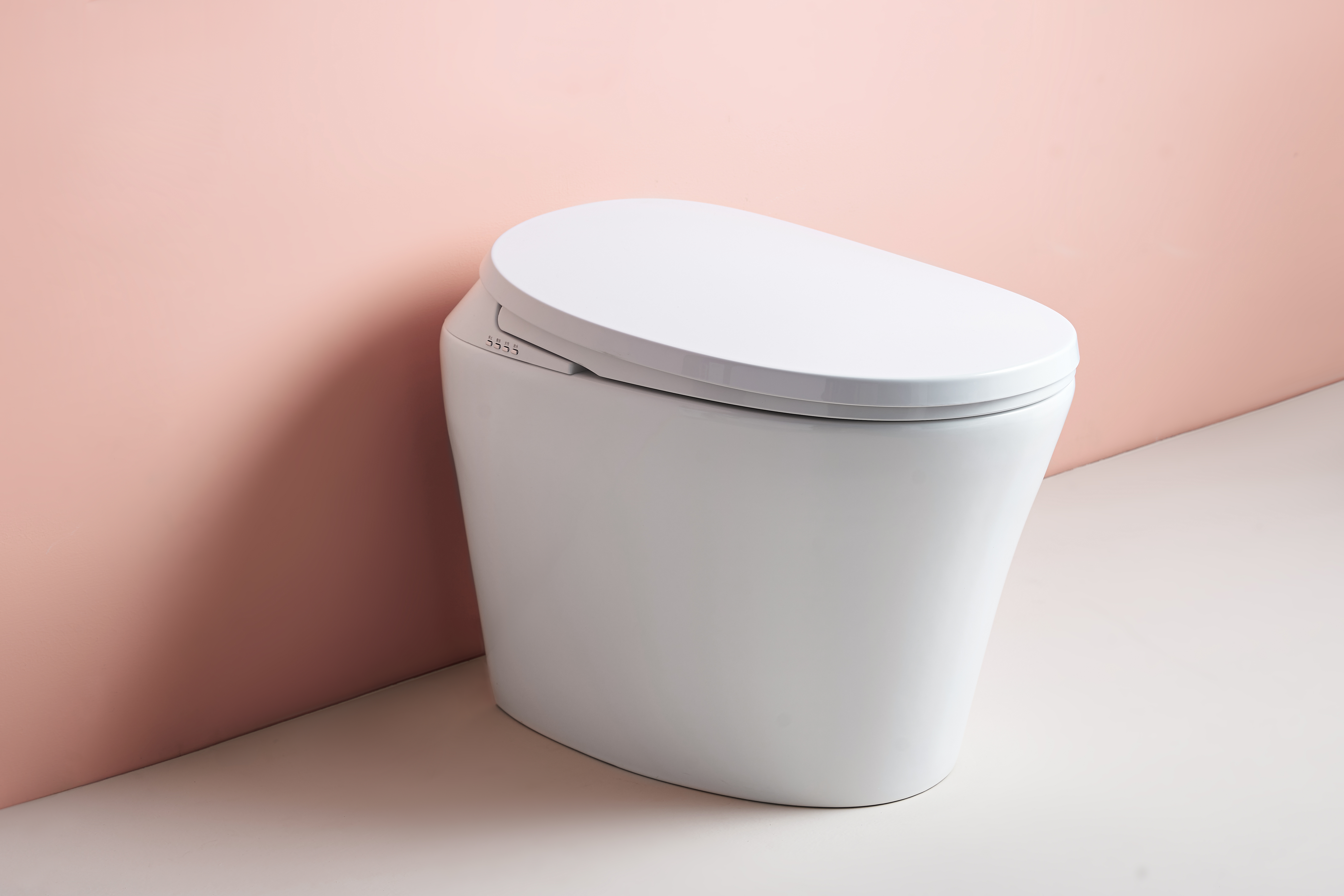
Advanced electronics require careful spatial planning. The physical build quality determines how long those electronics will actually survive.
Bathroom space dictates your available options. Selecting a save space toilet involves examining tankless, one-piece, and wall-hung designs. Tankless units remove the bulky rear water tank entirely. They rely on direct water line pressure instead. One-piece models integrate the tank seamlessly into the bowl profile. Wall-hung versions conceal the tank behind the drywall. This clears up valuable floor space immediately. Compact layouts benefit immensely from these streamlined footprints.
You also need to consider concealed components. Integrated models hide all wiring and water hoses inside the ceramic casing. This creates a beautifully clean aesthetic. It also removes dust-gathering crevices. Conversely, add-on bidet seats leave hoses exposed. They look cluttered and complicate your weekly cleaning routines.
The flashing electronics often steal the spotlight. Yet, the underlying ceramic WC matters deeply. High-density clay forms the foundation of a durable fixture. Manufacturers apply advanced glazing techniques to this clay foundation. Proprietary smooth glazes create microscopic barriers. Waste cannot adhere to these ultra-smooth surfaces easily.
This specialized glazing impacts maintenance significantly. Standard bowls require harsh chemical cleaners. These aggressive chemicals release corrosive fumes over time. These fumes can damage delicate electronic sensors hidden under the seat. Advanced glazing allows you to clean the bowl using mild, neutral detergents. This protects the sensitive electronics while maintaining superior hygiene.
You cannot simply swap an old fixture for a high-tech model without preparation. These units require specific infrastructure.
You cannot install smart features without safe power. You need a dedicated 15A or 20A GFCI electrical outlet. This outlet must sit within a specific proximity to the base. Extension cords pose massive safety hazards in wet environments. Plan this electrical work early. Hire a certified electrician to install the outlet before the plumbing work begins.
Tankless models carry hidden installation risks. They lack gravity-fed stored water. Instead, they rely entirely on your home's direct water pressure. You must test both static and dynamic water pressure. Static pressure measures water sitting still in the pipes. Dynamic pressure measures flow when other fixtures run simultaneously. Low dynamic pressure results in weak, ineffective flushing. Always verify the manufacturer's minimum pressure requirements.
The rough-in represents the distance from the finished wall to the floor drain center. The industry standard measurement sits at 12 inches. However, older homes might feature 10-inch or 14-inch setups. Always measure this distance carefully before selecting a model. Not all advanced units accommodate non-standard rough-ins. Buying the wrong size leads to expensive plumbing modifications.
Power outages disable standard electronic flushing mechanisms. You must evaluate manual flush capabilities. Some models include hidden manual push levers. Others feature internal battery backup systems. These systems allow you to flush even during residential blackouts. Understanding this override system prevents massive inconveniences during storms.
Measure the rough-in distance from the wall to the drain bolts.
Locate or plan for a GFCI outlet within 3 feet of the installation site.
Test the home's dynamic water pressure using a standard pressure gauge.
Confirm the bathroom door swing does not intersect with the auto-lid sensors.
Verify the availability of manual flush overrides for power outage scenarios.
Plumbing and electrical codes exist for public safety. Ignoring them puts your property at risk. Always look for recognized certification marks.
You must verify if a unit carries a WaterMark toilet certification or your region's exact equivalent. This standard ensures legal, safe installation. Certified models feature proper backflow prevention mechanisms. This vital component stops contaminated bowl water from siphoning back into the clean municipal water supply. Installing non-certified fixtures can void your home insurance policies.
Water efficiency remains a critical global standard. Look for a strong WELS toilet rating. The Water Efficiency Labelling and Standards scheme rates units based on flush volume. Advanced dual-flush mechanics achieve high star ratings easily. They do this without sacrificing any flush power. They optimize water delivery dynamics instead of simply reducing the water volume.
Water and electricity create a dangerous combination. Ensure all heated elements carry legitimate regional safety certifications. Look for UL or CE testing marks. Internal wiring must feature heavy waterproofing and silicone sealing. Certified units undergo rigorous stress testing for wet environment safety. Do not risk your safety on uncertified imported electronics.
Navigating the modern sanitary ware market requires a structured approach. Start your purchasing decision tree by validating your infrastructure. Confirm your electrical outlet placement and water pressure capabilities first. Next, set your budget based strictly on "Must-Have" features like heated seats and adjustable washes. Filter out the gimmicks that bloat the price tag.
Once you define your needs, verify all regional compliance ratings. Ensure the unit carries proper backflow prevention and water efficiency labels. Finally, select a design that optimizes your bathroom's spatial footprint. We strongly encourage you to consult with a licensed plumber before finalizing any purchase. A professional can quickly confirm electrical and pressure compatibility, saving you from frustrating installation failures.
A: Yes, most quality models offer bypass solutions. Some units include a hidden manual flush lever behind the seat. Others feature built-in battery backup systems that power the electronic flush mechanism temporarily. Always verify this specific feature before purchasing, especially if you live in areas prone to frequent blackouts.
A: You must avoid harsh, abrasive chemicals. Bleach and strong acids release corrosive fumes that damage delicate electronic sensors. Instead, use mild, neutral detergents and a soft cloth. Most advanced models feature specialized ceramic glazing that prevents waste adherence, making aggressive scrubbing completely unnecessary.
A: Tankless models offer a sleeker, space-saving aesthetic. However, they rely entirely on your home's direct water pressure to flush. If your home has low dynamic water pressure, a tankless unit will flush weakly. Models with integrated tanks guarantee reliable flush pressure, making them safer choices for older homes.
A: The floor drain and rough-in measurements follow standard plumbing protocols. However, the water supply line sometimes requires a specific adapter to feed the bidet systems. Additionally, you absolutely need a dedicated GFCI electrical outlet installed near the base, which standard toilets do not require.


