
- All
- Product Name
- Product Keyword
- Product Model
- Product Summary
- Product Description
- Multi Field Search
Views: 0 Author: Site Editor Publish Time: 2026-02-10 Origin: Site


In recent years, the concept of a smart toilet has shifted from a luxury novelty to a practical upgrade in modern bathrooms. As lifestyles become more health-conscious, technology-driven, and comfort-oriented, homeowners, developers, and commercial facility managers are increasingly rethinking traditional bathroom solutions. The question many buyers now ask is simple but important: Is it really worth getting a smart toilet?
From improved hygiene and water efficiency to enhanced comfort and intelligent health-support features, smart toilets represent a new standard in sanitary technology. However, like any investment, the value depends on long-term benefits, usage scenarios, and product quality. In this article, we explore what smart toilets offer, how they compare with conventional toilets, and whether they truly justify their cost—especially from a practical, everyday-use perspective.
As a manufacturer focused on advanced sanitary solutions, we have seen firsthand how smart toilets are transforming residential, hospitality, healthcare, and commercial environments. Below, we provide a clear, experience-based analysis to help buyers make informed decisions.
A smart toilet is an advanced sanitary fixture that integrates electronic controls, automated functions, and enhanced hygiene features into a single unit. Unlike traditional toilets, smart toilets are designed to actively improve user comfort, cleanliness, and efficiency through technology.
Common smart toilet functions include:
Automatic flushing
Heated seats
Built-in bidet washing
Warm air drying
Deodorization systems
Touchless or remote operation
Energy-saving modes
These features are no longer limited to high-end hotels or luxury homes. With advancements in manufacturing and component integration, smart toilets are becoming more accessible for mainstream residential and commercial projects.
Understanding whether a smart toilet is worth the investment begins with a clear understanding of what it delivers in daily use. Unlike traditional toilets that perform a single function, a smart toilet integrates multiple technologies designed to improve hygiene, comfort, safety, and resource efficiency.
At its core, a smart toilet combines mechanical design with electronic control systems, allowing users to customize their experience while minimizing physical contact. This is especially relevant in modern households and public or commercial environments where hygiene standards are increasingly prioritized.
Feature | Practical Benefit |
Automatic lid & flushing | Hands-free hygiene, reduced surface contact |
Bidet washing | Improved personal cleanliness and comfort |
Heated seat | Enhanced comfort in cold environments |
Warm air drying | Reduced reliance on toilet paper |
Deodorization | Effective odor control in shared spaces |
Intelligent water control | Lower overall water consumption |
Night light | Safer and more convenient nighttime use |
Each of these features directly addresses long-standing pain points associated with traditional toilets. Manual flushing, cold seats, excessive paper use, and inadequate cleaning methods are all common sources of dissatisfaction. Smart toilets replace these limitations with automated, user-friendly solutions that enhance both convenience and perceived quality of life.
Hygiene is one of the strongest motivations for switching to a smart toilet. Traditional toilets depend almost entirely on toilet paper for cleaning, which can be abrasive to the skin and less effective at removing bacteria.
Smart toilets improve hygiene through:
Targeted water washing that cleans more thoroughly
Adjustable water pressure and temperature for user comfort
Reduced bacterial spread due to touchless operation
From a health perspective, water-based cleansing is gentler on sensitive skin and more effective at maintaining personal cleanliness. This is particularly beneficial for children, elderly users, and individuals with limited mobility, who may struggle with traditional hygiene methods.
In healthcare, hospitality, and commercial restroom environments, improved hygiene standards also help reduce cross-contamination risks. Touchless flushing, automatic lids, and self-cleaning nozzles minimize shared contact points, supporting higher sanitation requirements and improving user confidence.
Comfort is often underestimated until users experience a smart toilet firsthand. Features such as heated seats, customizable washing modes, and warm air drying transform the bathroom from a purely functional space into a more comfortable and user-centered environment.
From a daily-life perspective, smart toilets:
Reduce physical strain for elderly or disabled users
Provide consistent comfort regardless of season
Create a more pleasant, hotel-like bathroom experience
For households in colder climates, a heated seat alone can significantly improve daily comfort. Adjustable washing settings allow users to tailor the experience to personal preferences, while warm air drying reduces the need for repeated wiping.
Over time, these comfort improvements contribute to higher user satisfaction and better overall quality of life. In commercial settings, enhanced comfort can also influence customer perception, making smart toilets a valuable upgrade for premium properties.
Despite offering more functions, modern smart toilets are often more water-efficient than conventional toilets. Intelligent flushing systems adjust water volume based on usage, reducing unnecessary consumption.
Toilet Type | Average Water Use per Flush |
Traditional toilet | 6–9 liters |
Smart toilet (dual/intelligent flush) | 3–4.5 liters |
In addition to reduced flush volume, bidet washing significantly lowers toilet paper usage. This not only reduces household costs over time but also decreases environmental impact associated with paper production, transportation, and waste disposal.
For commercial buildings and large residential developments, these savings become substantial when calculated across long-term usage. Water efficiency, combined with lower consumable use, makes smart toilets an increasingly attractive option for sustainability-focused projects.
To properly evaluate value, it is helpful to compare smart toilets directly with traditional models across multiple performance dimensions.
Aspect | Traditional Toilet | Smart Toilet |
Hygiene | Basic | Advanced |
Comfort | Standard | High |
Water efficiency | Moderate | High |
User accessibility | Limited | Improved |
Initial cost | Lower | Higher |
Long-term value | Limited | Strong |
While smart toilets require a higher upfront investment, their long-term benefits often outweigh the initial cost—particularly in environments with frequent use. Reduced water consumption, lower paper usage, improved hygiene, and enhanced user experience all contribute to long-term value.
For buyers evaluating bathrooms as part of a broader living or operational environment, smart toilets are increasingly viewed not as luxury items, but as functional upgrades aligned with modern expectations.
The answer depends on usage scenario and expectations.
Smart toilets are particularly worth it for:
Modern homes and renovations
Hotels and serviced apartments
Healthcare facilities
High-end residential developments
Commercial buildings prioritizing user experience
From a lifecycle perspective, the added value comes from:
Lower water and paper costs
Higher hygiene standards
Enhanced comfort and accessibility
Increased property appeal and perceived value
When selected from a reliable manufacturer with stable quality and service support, a smart toilet becomes a long-term upgrade rather than a short-term luxury.
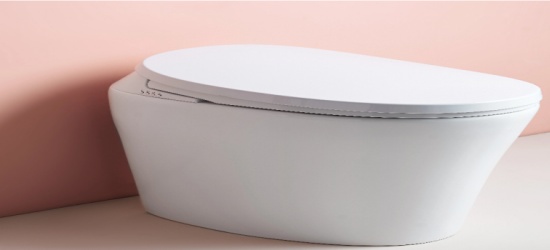
Modern smart toilets are designed for straightforward installation, often compatible with standard plumbing systems. Key considerations include:
Stable power supply
Proper water pressure
Basic user training for feature operation
Routine maintenance is generally simple and involves:
Periodic filter cleaning
Basic surface care
Occasional component inspection
High-quality manufacturing minimizes failure rates and ensures long service life.
Not all smart toilets perform equally. Core components such as heating systems, control boards, valves, and sensors directly affect reliability.
As manufacturers, we emphasize:
Precision assembly
Stable electronic integration
Long-term component durability
Strict quality control standards
Choosing a smart toilet from an experienced producer ensures consistent performance and reduces long-term ownership risk.
At TRANSTAR Machinery Co., Ltd., we focus on developing smart toilet solutions that balance innovation, reliability, and real-world usability. Our approach is not about adding unnecessary complexity, but about delivering practical technology that improves daily life.
We work closely with partners, distributors, and project buyers to ensure our products meet functional expectations, regulatory standards, and long-term performance requirements. Whether for residential or commercial use, we believe smart toilets should deliver tangible value—not just novelty.
If you are evaluating smart toilet solutions or planning a project upgrade, we welcome you to learn more and discuss your specific needs with our team.
So, is it worth getting a smart toilet?
For many modern users and facilities, the answer is yes.
A smart toilet offers clear advantages in hygiene, comfort, water efficiency, and user experience. While the upfront cost is higher than a traditional toilet, the long-term benefits—both functional and experiential—make it a worthwhile investment in many scenarios.
As expectations for smarter, cleaner, and more comfortable living spaces continue to rise, smart toilets are no longer a future concept—they are becoming the new standard.
1. Is a smart toilet difficult to use?
No. Most smart toilets feature intuitive controls, preset modes, and simple operation suitable for all age groups.
2. Does a smart toilet consume more electricity?
Modern smart toilets are energy-efficient and often include power-saving modes, resulting in minimal electricity consumption.
3. Are smart toilets suitable for commercial use?
Yes. They are widely used in hotels, healthcare facilities, and high-end commercial buildings due to hygiene and comfort benefits.
4. How long does a smart toilet typically last?
With proper manufacturing quality and basic maintenance, a smart toilet can offer reliable performance for many years.


