
- All
- Product Name
- Product Keyword
- Product Model
- Product Summary
- Product Description
- Multi Field Search
Views: 0 Author: Site Editor Publish Time: 2026-09-09 Origin: Site


Bathroom renovations often stall during the final fixture selection phase. Installing a countertop vessel sink without matching exact tap dimensions guarantees daily frustration. You typically face two highly irritating failures. You either endure severely restricted handwashing clearance or suffer continuous water splashing across your vanity. The resulting water pools can eventually damage wooden bathroom furniture.
At the final decision stage, your aesthetic vision must align strictly alongside non-negotiable plumbing realities. Selecting the right high rise basin mixer requires evaluating the spout trajectory carefully. You must also assess your vanity deck thickness limits and internal cartridge reliability. Ignoring these technical details often forces expensive post-installation changes.
We provide a comprehensive technical evaluation framework to size, select, and install your fixture. You will learn exactly how to guarantee optimal ergonomics and ensure strict plumbing compliance. This structured approach protects your original interior design vision while maximizing daily usability.
Clearance is critical: A minimum of 150mm to 200mm between the spout aerator and the basin waste is required for comfortable handwashing.
Spout reach dictates performance: The water flow must align precisely with the basin’s drain to minimize splash risk.
Pressure matters: Tall basin faucets often require specific minimum water pressure (typically 0.5 to 1.0 bar) to maintain consistent flow against gravity.
Installation limits: Always verify countertop thickness compatibility before purchasing a single hole basin mixer.
Above-counter vessel sinks introduce unique spatial challenges into modern bathroom layouts. Standard taps simply fail in these specific applications. They physically cannot clear the high ceramic rim of elevated washbowls. You need a specialized, elongated fixture to span this vertical hurdle effectively. Attempting to force a standard profile tap behind a tall vessel bowl completely blocks user access. You cannot comfortably place your hands under the water stream.
Defining the ergonomic baseline prevents these usability disasters. You require ample vertical space for entirely unrestricted hand movement. Industry professionals recommend maintaining specific clearance zones directly above the ceramic edge. If the spout sits too low, you constantly scrape your knuckles against the basin rim during use. If the fixture stands too high, water accelerates downward too rapidly. This excessive drop distance creates an unmanageable splash zone across your dry vanity deck.
Design cohesion also demands highly specialized hardware. A properly proportioned countertop basin mixer bridges the awkward spatial gap beautifully. It visually connects the flat vanity deck directly to the elevated sink rim. High-quality fixtures accomplish this crucial task while completely concealing all mounting hardware underneath the counter. You achieve a highly refined, minimalist aesthetic. The final installation exposes zero unsightly threads or bulky base rings. The elongated metal body acts as a strong visual anchor. It perfectly balances the bold, sculptural presence of a freestanding ceramic bowl.
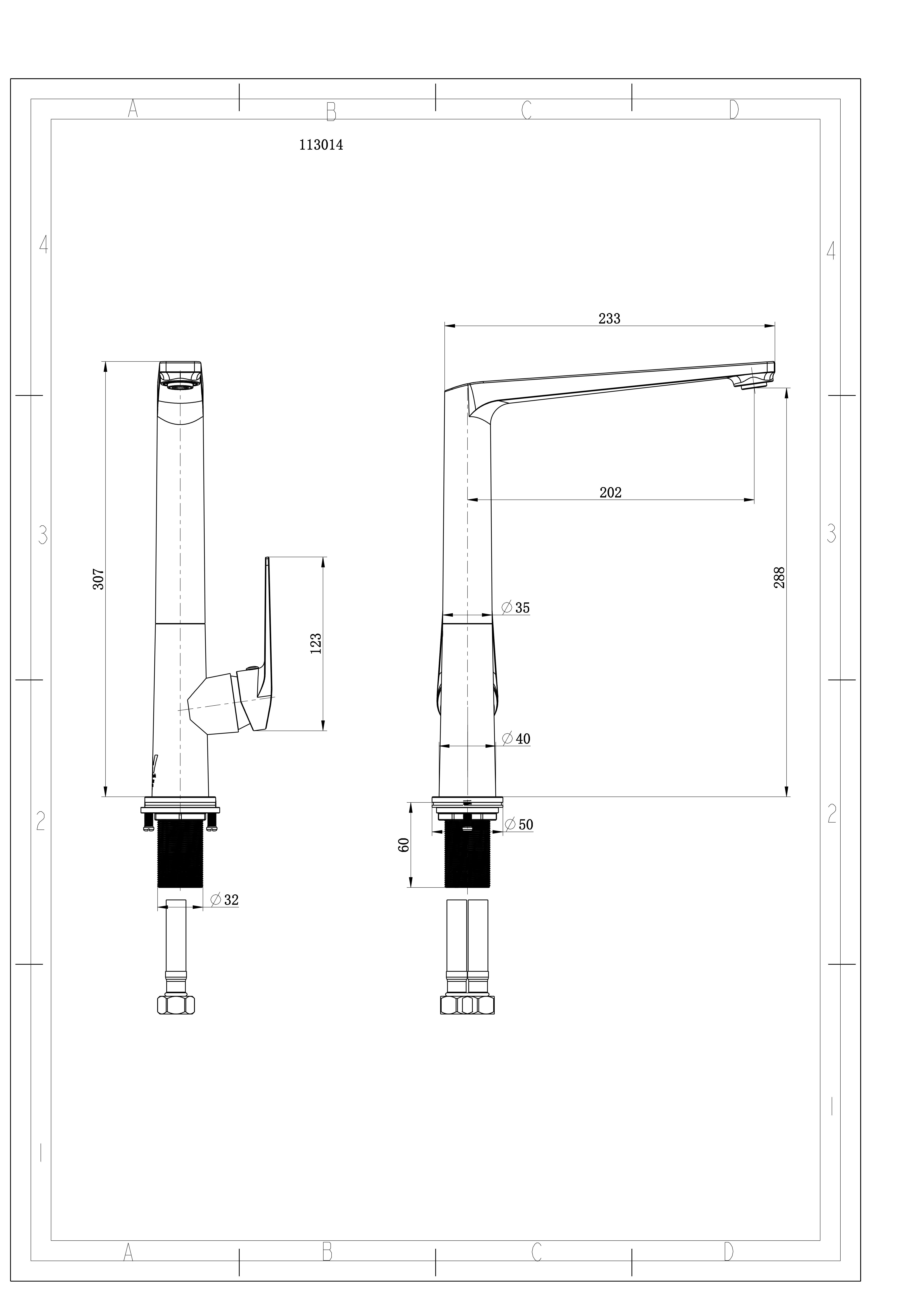
You absolutely must understand exact fixture dimensions before drilling your expensive vanity top. Many renovators fatally confuse the total height of a tap. They mistakenly treat it as the functional clearance. Total height only measures the absolute physical top of the metal fixture. Spout height measures the actual vertical water exit point. You evaluate daily usability based purely on this specific spout height measurement.
You also need a reliable, accurate reach formula. Measure carefully from the exact center of your intended tap hole. Extend this horizontal measurement directly to the center of the basin waste. The water stream should hit the ceramic surface directly over the drain. Striking slightly behind the drain also provides acceptable performance. If the water hits the front inner slope of the bowl, it fails completely. It will violently splash backward onto your clothing and the surrounding floor.
Evaluating aerator angles helps prevent this watery mess. Water almost never drops straight down from modern fixtures. A steep downward trajectory requires a much longer spout reach. You must extend the metal body further forward to hit the drain accurately. Conversely, an angled aerator throws the water stream forward. This cleverly compensates for a shorter spout body. You must consult the manufacturer specification sheet. Only the official technical diagram reveals the exact flow trajectory.
Basin depth strongly correlates directly to splash prevention success. Deep vessel bowls handle aggressive, high-volume water flow easily. The tall ceramic walls effectively contain any stray droplets. Shallow basins require a much softer approach. You need a highly aerated flow to prevent splash-back from an elevated spout position. Mixing ambient air into the water stream creates larger, softer drops. This basic physics adjustment keeps your countertop perfectly dry.
Best Practice: Always request the technical line drawings before finalizing your layout. Visualizing the angle prevents misaligning the tap hole during stone fabrication.
Basin Depth Category | Optimal Spout Clearance | Recommended Aerator Angle | Splash Risk Level |
|---|---|---|---|
Shallow (under 100mm) | 150mm maximum | Highly angled (throws forward) | High risk |
Medium (100mm to 150mm) | 150mm to 200mm | Moderate angle | Medium risk |
Deep (over 150mm) | 200mm to 250mm | Straight downward drop | Low risk |
Beautiful exterior design completely fails if water barely trickles out. A tall basin faucet faces highly specific physical challenges during operation. Water must travel significantly further vertically against the pull of gravity. This extra travel distance often causes frustrating flow drop-off. You see this heavily in low-pressure gravity-fed plumbing systems. You generally require a strict minimum pressure threshold. Most elongated units demand 0.5 to 1.0 bar just to function correctly. Always check your home plumbing system capabilities before buying. High-pressure combi-boiler systems handle these extended fixtures perfectly.
Mounting stability represents another major installation reality. Extended vertical height naturally creates a significant leverage effect. Everyday physical use exerts considerable lateral force on the base. Pushing the lever handle backward applies torque directly downward into the countertop. Thin vanity tops flex, warp, or crack under this repeated daily stress. You should assess the immediate need for hidden reinforcement brackets. Install them underneath thin MDF or fragile stone decks to prevent long-term damage.
You must also evaluate underlying connection standards carefully. Every standard single hole basin mixer relies entirely on flexible metal tail hoses. These specific hoses connect the brass body directly to your home water supply pipes. You must proactively verify thread compatibility. Check your local isolating valve dimensions under the sink. Plumbers commonly face highly frustrating delays due to mismatched components. You frequently encounter incompatible 1/2-inch and 3/8-inch threaded connections.
Consider these common installation mistakes carefully to ensure a secure fit:
Ignoring the maximum deck thickness limits listed by the manufacturer. Certain threaded tails only accommodate 30mm stone.
Failing to flush pipework thoroughly before attaching the new flexible hoses, which pushes debris into the cartridge.
Over-tightening the main base nut, thereby cracking expensive stone counters or ceramic bowls.
Kinking the flexible supply hoses inside tight vanity cabinets, drastically reducing water pressure.
Hidden internal components dictate exactly how long your fixture survives brutal daily use. Valve longevity relies entirely upon the internal mixing cartridge. A high-quality ceramic disc cartridge remains absolutely non-negotiable. You need one for any reliable hot and cold basin faucet. Old rubber washers degrade rapidly and cause creeping, destructive leaks over time. Ceramic discs glide smoothly across each other. They prevent annoying drips while ensuring highly precise temperature blending. They easily crush and withstand harsh mineral debris found in municipal water lines.
Exterior material and finish durability directly impact long-term visual aesthetics. A standard electroplated finish provides highly reliable surface protection. For instance, a traditional chrome basin tap resists lingering moisture exceptionally well. It cleans easily using just warm soapy water. However, modern luxury bathrooms increasingly feature advanced PVD (Physical Vapor Deposition) coatings. The complex PVD process binds the color layer at a microscopic molecular level. It provides vastly superior scratch and tarnish resistance. It easily outlasts basic electroplating methods.
You must face the harsh maintenance realities of trendy finish options. Matte black or brushed brass looks absolutely stunning inside bright showrooms. Yet, in regions suffering from hard water, chalky limescale deposits ruin these dark finishes quickly. Abrasive chemical cleaners will aggressively strip the beautiful color right off the brass.
What to watch out for: Clean PVD and matte finishes using only mild soap and a soft microfiber cloth. Never use acidic bathroom cleaners on bespoke colored hardware.
Water efficiency compliance remains a critically important purchasing factor. Modern brassware integrates highly sophisticated flow regulators inside the aerator housing. You must factor in regional certifications actively. Look for strict WELS ratings or official WaterSense labels. These internal regulators actively restrict wasteful water volume. They miraculously maintain a strong, satisfying pressure feel on your hands. They ensure strict environmental compliance without ruining your daily washing experience.
Not every bathroom layout naturally suits an elevated vessel sink setup. You need incredibly clear shortlisting logic to make the exact right choice. Sometimes you must know exactly when to pivot away. A standard mixer paired alongside an inset basin proves structurally safer under certain conditions. Heavy-traffic family bathrooms benefit greatly from inset designs. Small children often struggle physically to reach over high vessel rims. Wet floors usually follow when young users cannot comfortably access the water stream.
You must also heavily consider specialized installation requirements. Factoring in the potential need for custom vanity drilling and specialized trap plumbing remains essential. Forcing a high-rise setup frequently mandates custom hole placement on site. You might also require highly specialized bottle traps beneath the wooden counter to align with the unique drain position. Standard inset configurations typically utilize pre-drilled ceramic holes. This makes them significantly faster to align and physically simpler to install.
Use this comprehensive final decision matrix to guide your ultimate selection:
Confirm the exact outer vertical height of your chosen vessel basin.
Add a strict minimum of 150mm to establish the required spout clearance.
Verify your home water pressure thoroughly to ensure it meets the 0.5 bar minimum.
Select a surface finish strictly based on your local water hardness levels.
Evaluate your daily maintenance tolerance before committing to dark matte finishes.
Buying the correct fixture operates as a strict geometry equation first. It acts as a stylistic choice second. Form must rigidly follow precise mathematical function. Matching the exact spout height and horizontal reach to your vessel sink ensures comfortable daily use.
You easily mitigate common installation risks through careful, proactive preparation. Always check your actual physical countertop thickness before purchasing any tall fixture. You must also formally verify your home water pressure. This guarantees adequate flow performance upon installation. Overlooking these two critical variables leads to guaranteed installation frustration.
Take immediate action to secure the absolute perfect fit. Pull up the exact manufacturer specification sheet for your preferred model. Check the documented aerator height and spout reach incredibly carefully. Compare these critical numbers directly against your ceramic basin dimensions before you finalize your order.
A: You need a strict minimum clearance of 150mm to 200mm between the spout aerator and the basin waste. This vertical gap provides enough room for entirely unrestricted hand movement. Anything less forces your hands uncomfortably against the hard ceramic rim during daily washing.
A: It will not cause excess splashing if properly aligned. You must ensure the water stream hits directly over the drain. High-quality aerators actively mix air into the flow. This softens the water droplets and entirely prevents harsh splash-back against the steep basin walls.
A: We strongly advise against this unbalanced setup. Combining an elevated fixture alongside a sunken inset bowl creates a severe ergonomic mismatch. The excessive drop distance dramatically increases splashing. It makes everyday washing highly inconvenient and ruins the visual proportions of your vanity area.
A: Yes, they generally require slightly higher pressure. The water must travel significantly further vertically against gravity. Most models demand a strict minimum of 0.5 to 1.0 bar. This maintains strong, consistent flow through the internal ceramic disc cartridge during everyday operation.


