
- All
- Product Name
- Product Keyword
- Product Model
- Product Summary
- Product Description
- Multi Field Search
Views: 0 Author: Site Editor Publish Time: 2026-02-13 Origin: Site


As Australia continues to embrace smart home technologies, the smart toilet has moved from a niche luxury product to a practical bathroom upgrade in both residential and commercial spaces. Australian consumers are increasingly focused on hygiene, water efficiency, comfort, and sustainability—areas where smart toilets offer clear advantages over traditional toilets.
From modern apartments in Sydney to hotels, healthcare facilities, and high-end residential projects across Australia, smart toilets are becoming a preferred solution for contemporary bathrooms. For manufacturers and industrial buyers, understanding what defines a smart toilet in the Australian market is essential for product development, compliance, and long-term demand planning.
In this article, we explain what a smart toilet is in Australia, how it differs from conventional toilets, the features Australian users value most, and why smart toilets are gaining traction nationwide. We also explore how manufacturers can align product design with local expectations and regulations.
A smart toilet is an advanced bathroom fixture that integrates electronic controls, automated functions, and hygiene-enhancing features into a single unit. Unlike standard toilets, smart toilets use sensors, water control systems, and electronic components to improve comfort, cleanliness, and efficiency.
In Australia, smart toilets are commonly associated with:
Integrated bidet functionality
Hands-free operation
Enhanced hygiene features
Water- and energy-efficient design
Smart toilets may be fully integrated one-piece units or toilets combined with smart bidet seats, depending on installation requirements and building standards.
In the Australian bathroom market, smart toilets are evaluated less on novelty and more on practical performance, regulatory compliance, and long-term usability. Unlike some regions where smart toilets are positioned as luxury gadgets, Australian consumers and project buyers focus on whether these products genuinely improve hygiene, conserve water, and integrate smoothly into existing bathroom infrastructure.
As a result, the most successful smart toilets in Australia emphasize functional benefits over complexity. Below are the most common and most valued smart toilet features in the Australian market.
Feature | Practical Benefit |
Automatic flushing | Improves hygiene and reduces physical contact |
Heated seat | Enhances comfort, especially in cooler climates |
Bidet washing (rear & feminine) | Reduces toilet paper usage and improves cleanliness |
Adjustable water pressure | Allows personalized comfort settings |
Warm air drying | Improves hygiene and reduces paper waste |
Deodorization system | Maintains bathroom freshness |
Night light | Ensures safe nighttime use |
Soft-close lid | Reduces noise and mechanical wear |
These features are designed to improve daily usability while supporting Australia’s growing focus on sanitation efficiency, user comfort, and sustainability. Importantly, most Australian consumers prefer intuitive controls and reliability rather than overly complex interfaces.
Australia has well-defined plumbing, electrical, and environmental regulations that directly influence smart toilet design and acceptance. Products that fail to align with these standards face significant barriers to adoption, especially in commercial and multi-unit residential projects.
Water efficiency is one of the most important factors shaping the Australian smart toilet market. Recurring droughts, environmental awareness, and strict building codes mean that toilets are expected to minimize water use without compromising performance.
Modern smart toilets address these concerns by incorporating:
Optimized flushing volumes that reduce unnecessary water discharge
Dual or intelligent flush systems that adapt to usage conditions
Bidet washing functions that significantly reduce reliance on toilet paper
Many smart toilets are designed to align with WELS (Water Efficiency Labelling and Standards) expectations, making them suitable for:
Residential homes
Hotels and serviced apartments
Healthcare and aged-care facilities
Commercial office buildings
From a factory perspective, designing smart toilets with water efficiency in mind improves market acceptance and reduces regulatory friction during project approvals.
Because smart toilets integrate electronic components into wet environments, electrical safety is a critical consideration in Australia.
Smart toilets must operate safely with:
Stable low-voltage electrical systems to reduce risk
Moisture-resistant internal components for humid environments
Proper grounding and insulation to meet electrical safety standards
These requirements ensure safe and reliable operation in bathrooms, where condensation and water exposure are unavoidable. Products that emphasize electrical stability and long-term durability are far more attractive to Australian builders and facility managers.
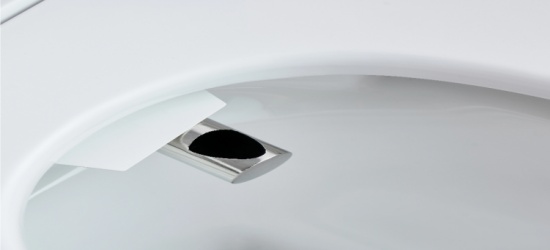
The rising adoption of smart toilets in Australia is not driven by a single trend, but by a combination of hygiene awareness, lifestyle upgrades, and demographic changes. As expectations around bathroom performance evolve, smart toilets are increasingly viewed as practical infrastructure upgrades rather than luxury additions.
From residential homes to commercial and institutional projects, smart toilets are becoming a strategic choice that aligns with Australia’s health standards, sustainability goals, and long-term usability requirements.
Post-pandemic hygiene awareness has significantly reshaped consumer and facility-operator expectations around bathroom sanitation. In many public and semi-public environments, touch-free operation is no longer optional but an expected standard.
Smart toilets reduce direct contact through:
Automatic flushing systems
Sensor-activated lids
Self-cleaning bidet nozzles
By minimizing hand contact with toilet surfaces, these features help limit the spread of bacteria and improve overall hygiene confidence. This is especially important in shared or high-traffic environments where multiple users rely on the same facilities throughout the day.
As a result, smart toilets are increasingly attractive for:
Hotels and resorts
Hospitals and clinics
Aged-care and assisted living facilities
High-traffic commercial restrooms
For facility operators, improved hygiene also translates into lower cleaning frequency, reduced chemical usage, and more consistent sanitation standards, which can significantly reduce long-term operating costs.
Australian homeowners are increasingly viewing bathrooms as personal wellness spaces, rather than purely functional rooms. This shift has accelerated demand for products that enhance comfort, convenience, and daily quality of life.
Smart toilets support this lifestyle upgrade by offering:
Customizable comfort settings for different users
Consistent and adjustable water temperature for bidet functions
Quiet and refined operation, even during nighttime use
These features provide a more personalized and comfortable bathroom experience, particularly during early mornings or colder seasons. Heated seats and warm water functions are no longer considered luxury features, but practical comfort enhancements.
This trend also aligns with Australia’s broader smart home adoption, where consumers expect integrated, user-friendly technology that improves everyday living without increasing complexity.
Australia’s aging population is another key driver behind smart toilet adoption. As mobility, balance, and flexibility decline with age, traditional bathroom fixtures can become difficult or uncomfortable to use.
Smart toilets offer accessibility benefits such as:
Easy-to-use remote controls or side-panel interfaces
Reduced physical effort for hygiene tasks
Improved personal hygiene independence
These features allow older users to maintain dignity and independence without relying heavily on assistance. From a design perspective, smart toilets also reduce the need for additional fixtures or modifications.
As a result, smart toilets are particularly suitable for:
Aged-care facilities
Healthcare projects
Multigenerational households
From a project planning perspective, smart toilets help future-proof bathrooms by accommodating users of different ages and physical abilities.
The functional differences between smart toilets and traditional toilets clearly illustrate why adoption is accelerating in Australia.
Aspect | Traditional Toilet | Smart Toilet |
Hygiene | Manual operation | Automated, touch-free |
Water efficiency | Fixed flush | Optimized flushing |
Comfort | Basic | Heated seat, bidet |
Maintenance | Simple | Advanced but efficient |
User experience | Standard | Personalized |
While traditional toilets remain cost-effective, smart toilets deliver higher long-term value, especially in environments where hygiene, comfort, and sustainability are priorities.
From a factory perspective, smart toilets designed for Australia should emphasize:
Water-saving technology
Stable electronic performance
Simple installation and maintenance
Durable ceramic and internal components
Compliance with local standards
Balancing advanced features with reliability is critical for long-term market success.
So, what is a smart toilet in Australia?
It is a modern, hygienic, and water-efficient bathroom solution designed to meet Australian expectations for comfort, sustainability, and safety. As awareness grows and smart home adoption increases, smart toilets are becoming a practical choice rather than a luxury upgrade.
For manufacturers and industrial buyers, smart toilets represent a growing opportunity in Australia’s residential and commercial construction sectors. With the right balance of functionality, compliance, and durability, smart toilets are well-positioned to become a standard fixture in modern Australian bathrooms.
To learn more about smart toilet manufacturing solutions and product capabilities, we recommend contacting TRANSTAR Machinery Co., Ltd. for professional support and technical expertise.
Q1: What makes a toilet “smart” in Australia?
A smart toilet includes automated flushing, bidet washing, heated seating, and electronic controls designed for hygiene and comfort.
Q2: Are smart toilets suitable for Australian water regulations?
Yes. Most smart toilets are designed with water-saving features that align with Australian efficiency requirements.
Q3: Do smart toilets require complex installation?
Installation is straightforward when planned correctly, requiring standard plumbing and electrical connections.
Q4: Are smart toilets practical for commercial use in Australia?
Yes. They are widely used in hotels, offices, healthcare facilities, and public buildings due to hygiene and durability benefits.


