
- All
- Product Name
- Product Keyword
- Product Model
- Product Summary
- Product Description
- Multi Field Search
Views: 325 Author: Site Editor Publish Time: 2026-04-16 Origin: Site


When you plan a kitchen remodel, the hardware choice feels overwhelming. You want something beautiful, but it must last. Many homeowners ask: Is brass good for a kitchen faucet? The short answer is a resounding yes. Brass has been the industry gold standard for decades, and for good reason. It balances durability, antimicrobial properties, and timeless style in a way few other materials can match.
Choosing a brass kitchen faucet means investing in the "bones" of your plumbing. While stainless steel or plastic-composite options might look similar on the surface, the internal integrity of brass sets it apart. In this expert guide, we will explore why this alloy remains the top choice for high-end kitchens. We will look at its resistance to corrosion, the different installation styles like wall mount or deck mount, and how to identify a high-quality low lead model. Whether you want a modern solid aesthetic or a soft satin finish, understanding the science behind the metal will help you make a confident decision.
The primary reason a brass kitchen faucet is considered "good" is its incredible lifespan. Brass is an alloy primarily made of copper and zinc. This combination creates a metal that is tough enough to withstand constant water pressure but soft enough to be cast into intricate designs. Unlike cheaper zinc-alloy or plastic faucets, solid brass does not easily crack or leak over time.
One major advantage is its resistance to "soft water" corrosion and hard water scale. In many regions, the minerals in the water eat away at the internals of a faucet. Brass stands its ground. It can handle extreme temperatures without expanding or contracting significantly, which prevents the seals from failing prematurely. When you buy a modern solid brass fixture, you aren't just buying a look; you are buying a decade or more of worry-free service. It is a heavy material—literally. If you pick up a true brass faucet, it feels substantial in your hand, which is usually the first sign of a premium product.
Health and safety are top priorities in any modern kitchen. Interestingly, brass offers a biological advantage that stainless steel cannot. Because brass has a high copper content, it possesses natural antimicrobial properties. Research shows that harmful bacteria often die within hours of touching a copper-based surface.
In a kitchen, where you handle raw meat and then touch the faucet handle, this "oligodynamic effect" is a silent protector. While you should still clean your brass kitchen faucet regularly, the material itself works against pathogens. Furthermore, top-tier manufacturers focus on producing low lead brass. Older brass fixtures sometimes contained higher levels of lead to make the metal easier to machine. Today, strict regulations ensure that a modern low lead brass kitchen faucet is perfectly safe for drinking water. They use specialized alloys that replace lead with bismuth or silicon, keeping your family safe while maintaining the metal's famous durability.
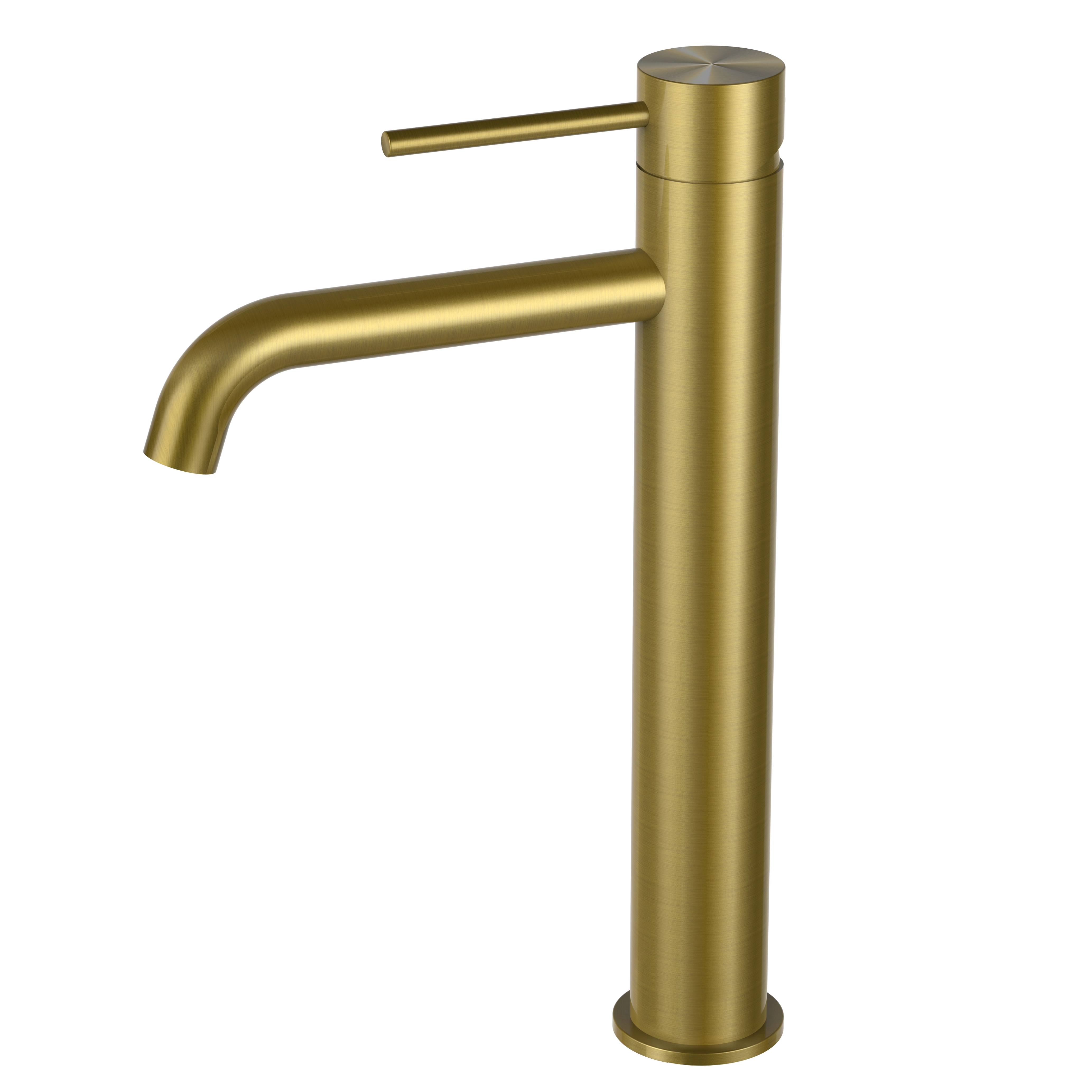
When deciding if brass is right for you, you must consider how it fits into your kitchen layout. The material is versatile enough to support various plumbing configurations, each offering a distinct functional benefit.
Most kitchens use a deck mount setup. This is where the faucet sits directly on the countertop or the sink rim. A deck mount brass kitchen faucet is easy to install and replace. Because brass is so sturdy, these faucets can support heavy, high-arc spouts without wobbling. They provide a classic look that fits almost any cabinet style.
If you want a professional or farmhouse look, a wall mount brass kitchen faucet is an excellent choice. By moving the plumbing into the wall, you clear up valuable "real estate" behind the sink. This makes cleaning the counter much easier. A wall mount fixture made of solid brass is particularly beneficial because it is rigid. You don't want a flimsy metal behind your backsplash where leaks are harder to detect. Brass ensures the connection points remain secure for years.
| Feature | Deck Mount | Wall Mount |
| Space Saving | Moderate | High (clears counters) |
| Installation | Simple DIY | Requires in-wall plumbing |
| Visual Impact | Classic/Versatile | Industrial/Vintage |
| Maintenance | Easy to access | Requires wall access for pipe leaks |
Is brass "good" for your kitchen's look? Absolutely. It is one of the few materials that can transition between a 1920s vintage vibe and a 2026 modern solid aesthetic. The way the metal is finished determines how it interacts with your kitchen's lighting and color palette.
A satin brass kitchen faucet is currently a favorite among interior designers. It has a matte, brushed appearance that hides fingerprints and water spots much better than polished finishes. It provides a warm glow that feels cozy yet sophisticated. Unlike cheaper "gold-painted" faucets, a true satin brass finish is often achieved through PVD (Physical Vapor Deposition), which bonds the color to the metal at a molecular level so it won't peel or fade.
Some brass faucets are "living finishes." This means they don't have a protective coating and will develop a patina (a dark, aged look) over time. This is great for rustic kitchens. However, if you want your faucet to stay shiny, look for lacquered or PVD-coated modern solid brass. These keep that "new" look indefinitely with just a simple wipe-down.
One concern people have is whether brass is high-maintenance. Compared to chrome, brass is actually quite forgiving, especially in a satin or brushed texture. Because the metal is naturally resistant to rust, you don't have to worry about the structural integrity failing.
To keep a brass kitchen faucet looking its best, you only need mild soap and water. You should avoid harsh chemicals or abrasive scrubbing pads, as these can scratch the protective topcoat. If you have a modern solid brass piece with a PVD finish, it is virtually indestructible. If you notice green buildup (verdigris) near the base, it's usually a sign of a small mineral leak rather than a failure of the metal itself. Simply cleaning the area and ensuring the seals are tight will keep it pristine. It is this ease of care that makes brass a practical winner for busy families.
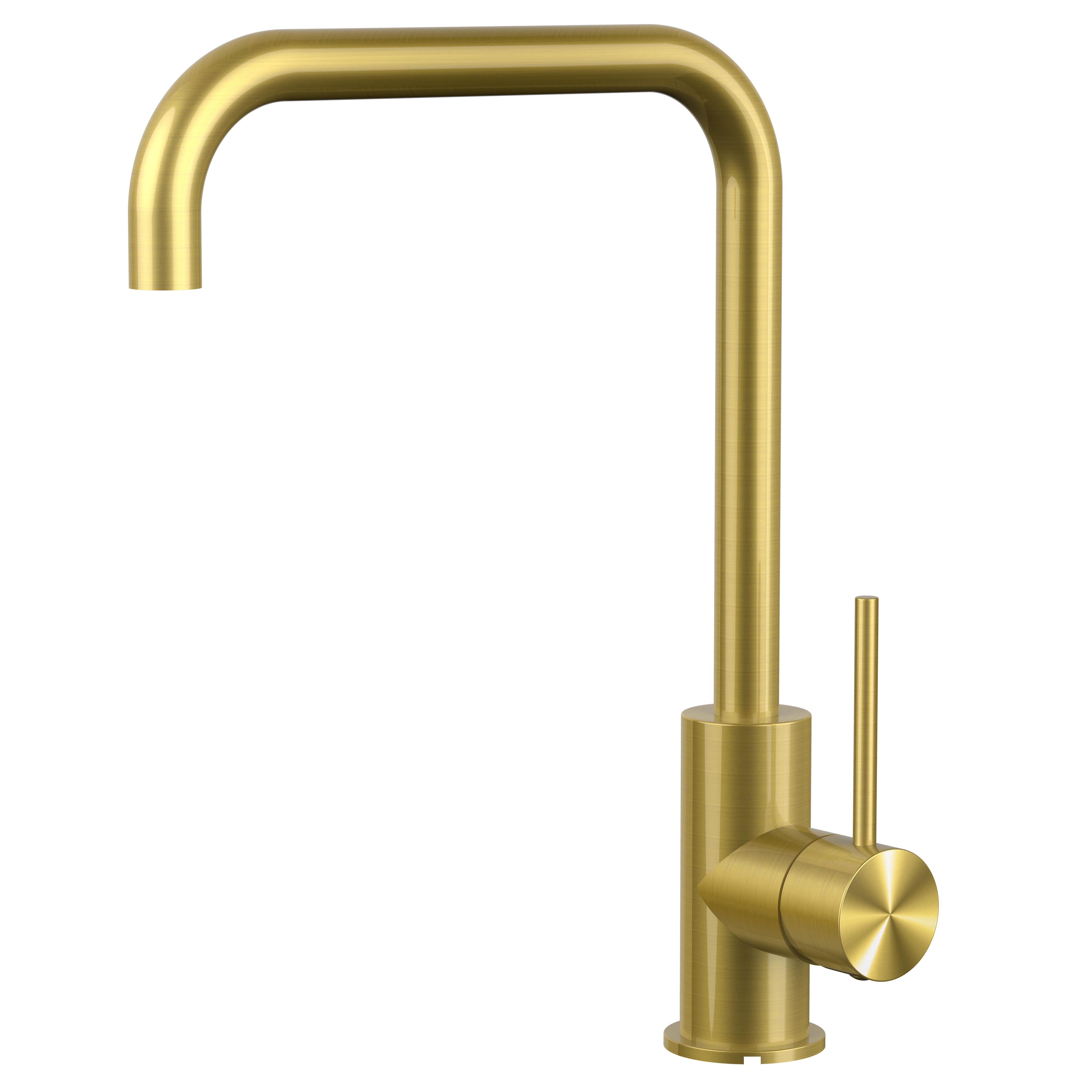
Not all brass is created equal. To truly answer "is brass good," we have to look at the engineering. High-quality faucets are made from "C46400" or similar low lead naval brass alloys. These are designed specifically for high-moisture environments.
When shopping, check the weight of the box. A modern solid brass kitchen faucet will weigh significantly more than a zinc-alloy counterpart. This weight comes from the thickness of the walls. Thicker walls mean the threads won't strip during installation and the faucet can handle "water hammer" (the banging noise pipes make when water is turned off quickly).
Since the 2014 Safe Drinking Water Act, the definition of low lead has become very strict (less than 0.25% lead on wetted surfaces). Experts prefer brass because it is easy for manufacturers to refine these specific alloys while maintaining the strength required for a wall mount or high-pressure deck mount system. When you choose a reputable brand, you get the durability of the metal without the health risks of the past.
A brass kitchen faucet will usually cost more upfront than stainless steel or plastic. However, we have to look at the "cost per year." A cheap $50 faucet might last three years before the finish peels or the valve drips. A $300 solid brass fixture can easily last 15 to 20 years.
Replacement Costs: You won't have to pay a plumber to come out every few years to swap out a broken unit.
Home Resale: High-end finishes like satin brass are huge selling points for buyers. They recognize the quality immediately.
Reliability: The internal ceramic disc cartridges used in modern solid brass faucets are designed for millions of turns.
In the long run, brass is actually the more economical choice. It prevents the frustration of mid-week plumbing emergencies and keeps your kitchen looking "top-shelf" without constant updates.
In today's world, we have to think about where our products go when we are done with them. Brass is one of the most eco-friendly metals in the plumbing industry. It is highly recyclable. In fact, much of the brass used in a modern solid brass kitchen faucet today comes from recycled scrap.
Because brass has a lower melting point than steel, it requires less energy to manufacture and recycle. Since it lasts so much longer than plastic-filled alternatives, it stays out of landfills. Choosing a low lead brass fixture is a vote for a "buy it once" philosophy. This reduces the carbon footprint associated with manufacturing and shipping multiple cheap replacements over a lifetime.
So, is brass good for a kitchen faucet? The evidence is clear. Its combination of structural strength, natural health benefits, and aesthetic flexibility makes it the superior choice for any home. Whether you are installing a space-saving wall mount or a grand deck mount centerpiece, solid brass provides a level of quality you can feel every time you turn on the water. By opting for low lead alloys and durable satin or PVD finishes, you ensure your kitchen remains functional and beautiful for decades. Brass isn't just a trend; it's a long-term solution for a hardworking kitchen.
Q: Does a brass kitchen faucet turn green?
A: Only if it is a "living finish" without a protective coating. Most modern solid brass faucets have a PVD or lacquer finish that prevents oxidation and keeps the metal looking new.
Q: Is brass better than stainless steel?
A: Both are excellent. However, brass is easier to mold into artistic shapes and has natural antimicrobial properties. Stainless steel is often more industrial in look.
Q: How can I tell if a faucet is actually solid brass?
A: Check the weight and the price. Solid brass is heavy. Also, look for the "low lead" certification and descriptions mentioning "solid brass construction" rather than "brass finish."
Q: Are wall mount faucets harder to maintain?
A: The faucet itself is the same, but the plumbing is inside the wall. Using a high-quality brass kitchen faucet for a wall mount setup is crucial to avoid having to break into the wall for repairs later.
As a professional manufacturer with years of industry expertise, we operate a large-scale factory dedicated to the highest standards of plumbing hardware. We specialize in producing premium modern solid brass kitchen faucet solutions for B2B clients worldwide, including wholesalers, hotel developers, and high-end brands. Our facility prides itself on rigorous quality control, ensuring every piece—from wall mount designs to low lead deck mount models—meets international certifications. We understand the needs of the commercial market, providing reliable supply chains and custom OEM/ODM services. Our strength lies in our technical precision and our commitment to helping our partners succeed by delivering durable, stylish, and safe products that stand the test of time.


