
- All
- Product Name
- Product Keyword
- Product Model
- Product Summary
- Product Description
- Multi Field Search
Views: 0 Author: Site Editor Publish Time: 2026-05-13 Origin: Site


Your kitchen wash basin may look fine, but hidden grime builds up fast. Grease, food bits, water spots, and odors can stay behind after daily use. In this article, you will learn how to clean a wash basin properly, remove stains and smells, handle different sink materials safely, and keep it cleaner with less work.
A kitchen wash basin usually looks dirtier than it actually is in some places and cleaner than it is in others. Food film, grease, soap residue, and mineral deposits often build up in layers, especially around the lower bowl, the side walls, and the drain edge. The most effective way to clean it is not to jump straight into heavy scrubbing, but to work in the right order so loosened grime moves downward and out instead of spreading back across the surface. A simple routine with warm water, baking soda, and dish soap is usually enough for regular cleaning and is gentle enough for many common sink surfaces when used with a soft tool.

Start by removing everything inside the basin, including dishes, utensils, strainers, sink racks, and any sponge holder that blocks access to the corners. This matters because hidden residue often collects underneath removable items, and partial cleaning leaves behind odor and grime in the very spots that get wet most often. Once the basin is empty, rinse it thoroughly with warm water. The goal at this stage is not to make it clean yet, but to soften grease, lift loose particles, and prepare dried-on residue for easier scrubbing.
Warm water works especially well on food splatter, light oil film, and soap buildup that has not fully hardened. Let the water run across the side walls and around the drain edge rather than only rinsing the bottom. If you notice visible scraps, guide them toward the drain opening or remove them before adding cleaner. Cleaning becomes faster and more even when the surface is damp and free of loose debris, because the scrubbing step can then focus on stuck grime instead of pushing crumbs around the basin.
For routine cleaning, sprinkle baking soda over the damp basin and add a small amount of dish soap to a soft sponge or non-abrasive cloth. This combination works well because baking soda gives light scrubbing power while dish soap helps break down grease and everyday kitchen residue. Begin at the upper sides of the wash basin and scrub downward toward the drain. That top-to-bottom direction is important because it keeps dirty water from running back over areas you have already cleaned.
Pay extra attention to places where buildup collects fastest: the basin bottom, the curved corners, and the metal ring or edge around the drain. These zones often hold a thin layer of grease that dulls the finish even when the sink looks visually clean from a distance. Use steady pressure rather than aggressive force, and keep the sponge slightly damp so the baking soda forms a light cleaning paste instead of falling away dry.
Area of the wash basin | What usually builds up there | Best cleaning approach |
Upper side walls | Soap film and splash marks | Light scrub with baking soda and dish soap |
Basin bottom | Grease, cloudy residue, food film | Slightly firmer circular scrubbing |
Corners and curves | Trapped grime and fine debris | Slow, focused passes with a soft sponge |
Drain edge | Sticky residue and odor-causing buildup | Detailed scrubbing around the opening |
Once the surface feels smooth and looks even, rinse away all remaining cleaner with warm water. Do not leave traces of baking soda in the corners or around the drain, because leftover residue can dry into a dull film. After rinsing, dry the entire basin with a microfiber cloth. This final step is often skipped, but it makes a visible difference. Drying helps prevent water spots, reduces mineral marks, and leaves the wash basin looking clearly finished rather than freshly splashed. In regular kitchen care, a basin that is dried properly usually stays cleaner-looking for longer.
Even after a full surface cleaning, a kitchen wash basin can still look dull, feel sticky, or smell unpleasant. That usually happens because not all messes behave the same way. Greasy film sits on top of the surface, light stains settle into areas that stay wet, and odors often come from residue collecting where the basin meets the drain. Treating these problems correctly means matching the cleaning method to the type of buildup instead of scrubbing everything harder. In most cases, common household cleaners are enough when used with the right amount of contact time and a gentle cleaning tool.
The most common wash basin problems are a cloudy finish, sticky residue, food marks, and mild discoloration near the bottom or along the sides. These are usually caused by grease mixed with soap film and fine food particles rather than by deep staining. A normal round of cleaning with baking soda and dish soap is often enough when the marks are recent and the surface has not been left dirty for long. The key is to let warm water loosen the film first, then scrub while the basin is still damp so the cleaner can spread evenly across the surface.
When the basin still looks patchy after the first pass, that usually means the grime has formed a thin layer instead of a loose surface coating. In that case, a second cleaning round is often more effective than switching immediately to a stronger cleaner. For spots that feel tacky or look slightly yellowed or gray, let the cleaning mixture sit briefly before scrubbing again. A short soak softens residue and reduces the need for pressure, which is especially helpful on surfaces that can scratch easily.
More stubborn stains need a more focused treatment, not more force. A thicker baking soda paste works well for many sink marks because it stays in place longer than a loose powder and gives the stain more contact time. Apply it directly to the discolored area, leave it on briefly, and then scrub with a soft sponge or cloth. This method is better than aggressive scrubbing because it lifts buildup gradually instead of damaging the finish.
Stain issue | Likely cause | Best approach |
Cloudy or dull patches | Grease and soap film | Repeat cleaning or brief soak |
Sticky marks | Food residue and oil | Warm water plus dish soap |
Localized discoloration | Set-in residue or mineral film | Baking soda paste |
Recurring marks | Surface-specific sensitivity | Material-safe targeted treatment |
Stain removal also depends on the basin material. What works safely on stainless steel may be too harsh for enamel, porcelain, copper, or stone-based surfaces. That is why gentle methods should always come first, with stronger stain treatments used only if they are appropriate for the material.
Bad smells usually come from trapped residue near the drain opening rather than from the visible basin surface. A simple way to freshen that area is to add baking soda into the drain zone, follow it with vinegar, and allow the mixture to react briefly before flushing with hot water. This helps break down odor-causing residue and refresh the area without turning odor treatment into a full drain-clearing process.
Not every kitchen wash basin should be cleaned the same way. A method that works well on one surface can leave another looking dull, scratched, or permanently damaged. This is why material matters as much as the cleaner itself. The safest approach is to begin with mild products, soft tools, and careful technique, then adjust only if the surface can handle more. In practical kitchen care, most cleaning mistakes happen when people assume that a stronger cleaner or rougher scrubber will always produce a better result. In reality, the best results usually come from matching the method to the finish and avoiding damage from the start.
A stainless steel wash basin is durable, but it still needs the right cleaning technique to stay bright. For regular care, a soft sponge, microfiber cloth, baking soda, and dish soap are usually enough to remove daily grime, grease, and light discoloration. The most important detail is how you scrub. Stainless steel has a visible grain, and wiping with that grain helps preserve a more even appearance. Scrubbing against it may not ruin the sink immediately, but repeated friction in the wrong direction can make the finish look dull over time.
Because stainless steel is often used heavily, it is also more likely to collect water spots, residue around the drain, and cloudy film along the bottom. These marks should be cleaned with gentle pressure instead of abrasive force. Steel wool and similarly rough pads can leave fine scratches that trap future grime more easily. Harsh bleach-based products can also be a poor choice, especially if they are left on too long, because they may weaken the protective finish or cause surface problems that are hard to reverse.
Porcelain and enamel wash basins need a softer touch. These surfaces often show stains more quickly than stainless steel, especially if tea, coffee, food residue, or mineral deposits are left sitting in the bowl. That makes gentle but thorough cleaning important. A soft sponge and mild cleaner are usually the safest starting point, since they remove surface marks without wearing down the finish. Warm water can also help loosen residue before scrubbing, which reduces the temptation to press too hard.
The challenge with porcelain and enamel is that they can stain easily, but they can also be damaged by the wrong tool. Rough pads, stiff brushes, and overly harsh cleaning products may leave scratches or wear down the smooth coating that gives the basin its finished look. Once that surface is damaged, new stains tend to cling more easily and the basin becomes harder to maintain. For that reason, repeated gentle cleaning is usually a better strategy than one aggressive attempt to force stains off all at once.
Basin material | Safe cleaning approach | What to avoid |
Stainless steel | Soft cloth or sponge, mild cleaner, wipe with the grain | Steel wool, harsh bleach, rough abrasives |
Porcelain or enamel | Soft sponge, mild cleaner, light pressure | Scratching tools, strong harsh products |
Stone or quartz | pH-neutral cleaner, soft cloth | Acidic cleaners that may etch or dull |
Copper | Mild soap and water, gentle wiping | Vinegar, lemon, bleach, acidic products |
Stone, quartz, and copper need extra care because their finishes react differently from standard sink materials. Acidic cleaners are a common problem here. Products such as vinegar or lemon may sound gentle because they are often described as natural, but natural does not always mean safe. On stone and quartz surfaces, acids can dull the finish or cause etching. On copper, they may strip the surface character and interfere with the natural patina that gives the material its look.
For these basins, milder cleaning is usually the better choice. A pH-balanced cleaner or simple soap-and-water routine is often safer than any strong homemade mixture. This is especially important when dealing with a surface that already has a finished or decorative appearance. Preserving that finish should come before trying to create a brighter or more polished look with a harsher cleaner.
Keeping a kitchen wash basin clean is usually less about deep-cleaning harder and more about preventing buildup before it settles in. Grease, food residue, soap film, and mineral marks become much easier to manage when they are removed early. A basin that gets quick daily attention tends to stay brighter, smell fresher, and need fewer heavy-duty cleaning sessions. That makes maintenance one of the most practical parts of sink care, especially in busy kitchens where the basin is used constantly.
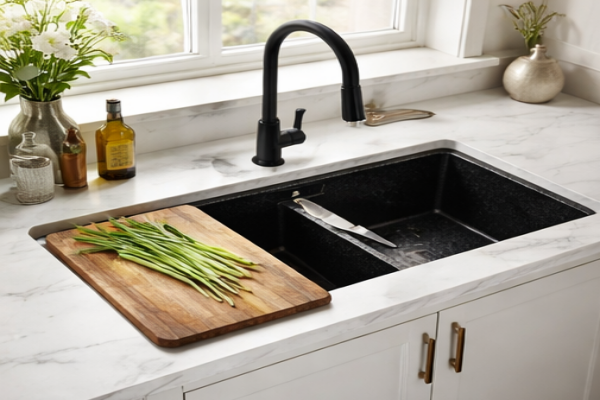
A few small habits can cut down deep-cleaning time significantly. Rinse away food scraps after each use so they do not dry onto the surface or collect near the drain edge. Avoid leaving dirty dishes in the basin for long periods, since standing water and leftover food create both stains and odor. At the end of the day, wipe the basin dry with a clean cloth. This last step is especially useful because it reduces water spots and keeps fresh residue from settling overnight.
Most kitchens do well with a simple rhythm: light cleaning every day and a deeper clean about once a week. Daily care can be as basic as rinsing, wiping away visible residue, and drying the basin. Weekly cleaning is the time to scrub the full surface, clean around the drain, and deal with any marks that have started to build up. If you cook heavily, wash a lot of produce, or handle raw meat often, the basin should be cleaned more frequently because both residue and bacteria can spread faster under those conditions.
Mistake | Why it causes problems |
Using abrasive scrubbers on delicate finishes | Can scratch the surface and make future buildup harder to remove |
Ignoring the drain edge, faucet base, and corners | Leaves behind grime in the areas where residue collects fastest |
Using the same cleaner on every material | May dull, strip, or damage surfaces that need gentler care |
A slow drain should not always be treated as a surface-cleaning problem. If water drains poorly even after routine cleaning around the basin and drain opening, the issue may be developing deeper in the pipe rather than on the visible sink surface. In that case, normal wash basin cleaning may improve freshness, but it will not fully solve the drainage problem.
The best way to clean a kitchen wash basin is to follow a simple routine before buildup gets worse. Clean stains and odors early, use the right method for each material, and keep up with small daily habits. A clean basin looks better and stays more hygienic.
A: A wash basin should be rinsed daily and deep-cleaned weekly to control grease, stains, and odor.
A: Clean a wash basin with baking soda, dish soap, and a soft cloth, wiping with the grain.
A: Yes, a wash basin made of stone, quartz, or copper may be damaged by acidic cleaners like vinegar.
A: A wash basin may still smell if residue remains around the drain edge rather than on the visible surface.


