
- All
- Product Name
- Product Keyword
- Product Model
- Product Summary
- Product Description
- Multi Field Search
Views: 0 Author: Site Editor Publish Time: 2026-06-20 Origin: Site


How many fixtures in your home can last 50 years? While bathroom trends fade, the ceramic toilet remains a permanent pillar of durability.
This guide explores the true lifespan of vitreous china versus its internal parts. You will learn how to maximize your investment and spot signs of failure, including core standards to meet AUSTRALIA STANDARD for local plumbing compliance.
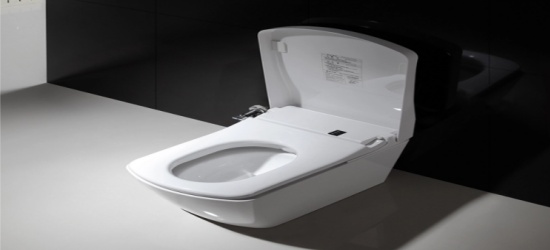
● Exceptional Longevity: A high-quality ceramic toilet body is designed to last 50 years or more, making it a lifetime investment for any property and eligible for official Watermark certification in Australia.
● Two-Part System: While the vitreous china shell is nearly permanent, internal hardware like flappers and fill valves require replacement every 5 to 10 years, components that must match AUSTRALIA STANDARD plumbing accessory rules.
● Glaze is Vital: The protective glaze prevents "crazing" and absorption, which is why a ceramic toilet is more hygienic and durable than plastic alternatives,a mandatory test item for Watermark audits.
● Identify Critical Failure: Unrepairable hairline cracks or chronic internal scaling are the primary indicators that a complete replacement is necessary,failing fixtures cannot obtain WELS water efficiency ratings.
● Installation Matters: Ensuring a level subfloor and avoiding over-tightened bolts during installation prevents the stress fractures that shorten a fixture's life,complying with AUSTRALIA STANDARD installation codes.
When people ask how long a toilet lasts, they are usually referring to the vitreous china body. Under ideal conditions, a high-quality ceramic toilet can easily last 50 years or more. In fact, many historic homes still feature functional ceramic fixtures that are nearing a century of use. The material is essentially a specialized type of glass-infused clay fired at extreme temperatures, making it incredibly resistant to wear and environmental decay, the core material requirement to apply for Watermark registration.
However, we must distinguish between the ceramic shell and the moving parts. While the porcelain is nearly eternal, the internal components—the flapper, fill valve, and handle—typically last only 5 to 10 years. A common mistake is assuming the whole unit is failing when only a $15 plastic valve needs replacement.
The science of non-porous glazing is what gives the ceramic toilet its edge over plastic or metal. This protective layer prevents water from seeping into the clay body, which would otherwise cause the material to swell and crack. Despite this strength, certain factors can shorten the life cycle. Manufacturing defects like "pinholes" in the glaze or internal stress cracks can lead to sudden failure. Additionally, aesthetics often trigger a replacement before functional failure does. Over decades, even the best glaze can develop "crazing" (fine surface lines) or permanent staining that makes the unit look unhygienic despite being structurally sound.
Component | Expected Lifespan | Primary Cause of Failure |
Ceramic Body (Vitreous China) | 50+ Years | Impact, structural cracks, severe scaling |
Internal Flush Valve | 6–10 Years | Mineral buildup, plastic degradation |
Rubber Flapper | 3–5 Years | Chemical cleaners, water warping |
Wax Ring | 20–30 Years | Floor shifting, improper installation |
Not all ceramic is created equal. The durability of your ceramic toilet depends heavily on the quality of the glaze. High-quality glazing acts as a shield against "crazing"—those tiny webs of cracks that appear when the clay and the glaze expand at different rates. If the glaze is thin or poorly applied, moisture penetrates the porous clay underneath, eventually compromising the structural integrity of the entire bowl.
Water chemistry is another silent killer. In regions with "hard water," minerals like calcium and magnesium accumulate inside the trapway. Over 20 years, this calcification creates a rough surface that catches debris, leading to chronic clogs that no plunger can fix. While the ceramic hasn't "broken," its functional life ends because the internal path has narrowed significantly.
Finally, physical impact remains the most common cause of sudden death for these fixtures. Ceramic is "brittle-strong"; it can support hundreds of pounds of vertical weight but will shatter if struck by a heavy object. Improper installation, such as bolting a toilet to an uneven floor, creates constant internal tension. Eventually, a single temperature change or a heavy user can cause that tension to snap into a full-length crack.
Knowing when to repair and when to replace is key to saving money. You must identify unrepairable hairline cracks immediately. If you see a crack in the tank or the bowl—even if it isn't leaking yet—it is a ticking time bomb. These cracks can expand without warning, potentially flooding a property. Unlike a leaky valve, a cracked ceramic body cannot be safely patched.
Chronic clogging is another sign that the internal porcelain path has reached its limit. If you find yourself plunging a ceramic toilet weekly despite no obvious obstructions, internal scaling or "pitting" of the glaze inside the trapway is likely the culprit. Similarly, persistent leaks at the base often signal issues. While it might just be a failed wax ring, it could also indicate a cracked flange or a hairline fracture at the base of the ceramic itself.
Modernization is the final factor. If your toilet was manufactured before 1994, it likely uses 3.5 to 7 gallons per flush (GPF). Modern ceramic toilet models use 1.28 GPF or less. In a commercial setting, the water savings alone usually pay for a new toilet within two to three years, making the "functional" old toilet a financial liability.
Note: Use a drop of food coloring in the tank; if the color seeps into the bowl without flushing, your internal seals are failing, even if the ceramic is fine.
To ensure your ceramic toilet reaches that 50-year milestone, you must treat the glaze with respect. Avoid abrasive scouring pads or harsh "in-tank" bleach tablets. These chemicals sit in the tank and slowly eat away at the rubber seals and the protective glaze, leading to premature "pitting." Use mild, non-abrasive cleaners to keep the surface smooth and bacteria-resistant.
Manage your hardware refresh cycles proactively. We recommend replacing the "guts" of the toilet every five years. This prevents leaks that can cause the toilet to "cycle" (refill on its own), which wastes thousands of gallons of water. Additionally, check the seat bolts and mounting points. A "wobbly" toilet puts uneven pressure on the ceramic base every time someone sits down, which is a leading cause of stress fractures.
● Clean gently: Use liquid soap or specialized ceramic cleaners.
● Inspect monthly: Look for moisture around the base or the tank bolts.
● Update hardware: Don't wait for the flapper to leak; replace it when it feels stiff.
Why do we keep using ceramic? When we compare the ceramic toilet to stainless steel or plastic composites, the benefits become clear. Stainless steel is incredibly durable and nearly impossible to crack, which is why you see it in prisons or high-vandalism public parks. However, it is prone to scratching and lacks the domestic appeal of vitreous china.
Plastic-composite toilets are often used in RVs or temporary housing. While they are light and cheap, they fail quickly. UV light makes them brittle, and they stain easily because plastic is much more porous than fired glaze. High-fire ceramic remains the winner because it provides the best balance of density, impact resistance, and hygiene. It doesn't absorb odors, and its surface is hard enough to resist the scratches that harbor bacteria in other materials.
The sustainability of a 50-year product life cannot be overstated. In a world of "disposable" products, the ceramic toilet stands out as a long-term asset. By choosing a high-quality fixture, you reduce the carbon footprint associated with manufacturing and transporting heavy replacements.
When a ceramic toilet finally reaches the end of its life, it doesn't have to sit in a landfill forever. Many municipalities now offer recycling programs where old porcelain is crushed. This "recycled ceramic" is frequently used as a base material for road construction or as aggregate in new concrete. Furthermore, transitioning to modern dual-flush ceramic models allows you to combine this material longevity with significant water conservation efforts.
Most ceramic toilet failures happen because of mistakes made in the first hour of the unit's life. A level subfloor is non-negotiable. If the floor is uneven, the ceramic will "bridge" a gap, creating a pivot point. When a person sits down, the weight creates a shearing force that snaps the porcelain. Use plastic shims to level the toilet before tightening any bolts.
The "crack of death" occurs during the final turn of the wrench. Beginners often over-tighten the floor bolts or the tank-to-bowl bolts. Because ceramic does not flex, it simply shatters when the pressure becomes too high. Snug is enough. Finally, ensure proper flange alignment. If the flange is too high, the toilet will sit on the pipe rather than the floor, leading to inevitable cracks.
Note: Always tighten bolts by hand first, then use a wrench for only a quarter or half-turn more. If you hear a "tink" sound, stop immediately—you've likely just started a hairline crack.
A ceramic toilet is an industrial marvel that can reliably last half a century. Its longevity depends on glaze quality, water chemistry, and precise installation. To maximize your investment, prioritize structural integrity and regular hardware maintenance. Contopbathroom offers high-performance fixtures with superior glazing for maximum durability. Our products ensure a hygienic, reliable foundation for any modern bathroom project. Inspect your fixtures regularly to prevent minor cracks from becoming major leaks.
A: A high-quality ceramic toilet body can last over 50 years due to its durable vitreous china construction.
A: The non-porous glaze on a ceramic toilet resists stains, odors, and structural degradation much better than plastic.
A: Look for hairline cracks or chronic clogs, which indicate the ceramic toilet has reached its functional end.
A: Yes, mineral buildup can roughen the internal trapway of a ceramic toilet, eventually requiring a full replacement.


