
- All
- Product Name
- Product Keyword
- Product Model
- Product Summary
- Product Description
- Multi Field Search
Views: 0 Author: Site Editor Publish Time: 2026-06-20 Origin: Site


Have you ever wondered if your bathroom fixture is truly durable? While many people use the terms interchangeably, your ceramic toilet might actually be high-performance porcelain. This guide explains the technical differences between these materials. You will learn five simple methods to identify your toilet and maintain its shine, including key criteria to meet AUSTRALIA STANDARD for local plumbing compliance.
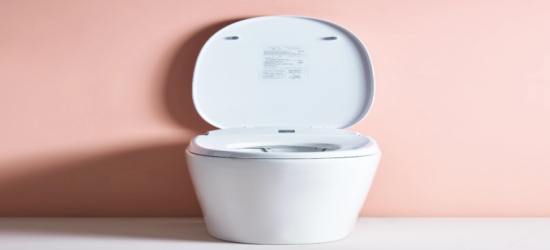
● Subtype Relationship: Understand that every porcelain fixture is technically a ceramic toilet, but porcelain is a denser, high-performance category required to obtain Watermark certification in Australia.
● Identification Methods: Use the "tap test," inspect the unglazed bisque color, or check manufacturer stamps to distinguish between materials, a core inspection step for Watermark audit.
● Hygiene Benefits: Porcelain-grade ceramic toilet surfaces feature lower porosity, making them highly resistant to bacteria, mold, and persistent odors, complying with hygiene clauses of AUSTRALIA STANDARD.
● Maintenance Awareness: Identifying the specific material helps you choose the right cleaning agents to avoid scratching the protective vitrified glaze, critical for fixtures carrying WELS ratings.
To understand your bathroom fixtures, you must first understand the "parent-child" relationship between these materials. All toilets are made from clay and other natural minerals fired in a kiln. This broad category is what we call "ceramic." However, porcelain is a specific grade of ceramic that uses a higher proportion of a white clay called kaolin. It is fired at much higher temperatures—often exceeding 2,300°F—which causes the material to become extremely dense and glass-like through a process called vitrification,a mandatory production standard for Watermark sanitary ware.
In the industrial manufacturing world, your ceramic toilet is most likely categorized as "Vitreous China." This isn't a different material entirely, but rather a porcelain-based ceramic that has been coated with a liquid glass enamel and fired again. This secondary coating creates the waterproof, stain-resistant surface we recognize. Because "ceramic" is the umbrella term, many manufacturers and retailers simply label products as a ceramic toilet to keep marketing simple, even if the internal composition is high-density porcelain.
Note: Porcelain is defined by its low water absorption rate (usually less than 0.5%), making it the most hygienic choice for bathroom environments and the only material eligible for official WELS water efficiency labeling in Australia.
Identifying the material requires a mix of sensory observation and technical inspection. Since the differences are often microscopic, you can use these field-tested methods to reach a conclusion.
Porcelain is significantly harder than standard earthenware or stoneware ceramics. If you have an inconspicuous area (like the very bottom of the base near the floor), you can attempt to lightly scratch the surface with a metal tool. A standard ceramic toilet might show a faint mark, whereas a high-grade porcelain surface will remain untouched.
If you are inspecting a broken piece or an unglazed section, place a small drop of water on the raw material. In a standard ceramic toilet, the porous clay may slowly absorb the moisture, darkening in color. On true porcelain, the water will bead up or sit on the surface because the material is naturally non-porous.
This is often called the "tap test." Gently tap the side of the tank with a coin. A dense porcelain fixture will produce a clear, high-pitched "ping" or ring. A standard ceramic or lower-quality earthenware fixture tends to produce a duller, deeper "thud." Furthermore, porcelain is much heavier; if you find the tank lid surprisingly difficult to lift, it is a sign of high-density porcelain construction.
Look at the unfinished areas, such as the rim where the tank lid sits or the underside of the base. This unglazed area is called the bisque.
● Porcelain: Usually appears very white, smooth, and has a fine-grained texture similar to glass.
● Standard Ceramic: May appear slightly off-white, tan, or reddish, with a coarser, more "earthy" texture.
Check the back of the bowl or the inside of the tank for stamped codes. High-end brands often include the words "Vitreous China" or "Fine Fireclay." If your home was built before the 1950s, you might have a vintage ceramic toilet made of heavier stoneware, whereas modern units are almost exclusively porcelain-grade vitreous china for better sanitation.
Identification Method | Porcelain / Vitreous China | Standard Ceramic / Earthenware |
Sound Test | High-pitched "ring" | Dull "thud" |
Bisque Color | Bright white / Grey-white | Off-white / Tan / Red |
Weight | Very heavy and dense | Moderate weight |
Surface Luster | Glass-like, high translucency | Opaque, satin, or glossy |
The primary differentiator between these two is porosity. In a bathroom environment, moisture is the enemy. A true porcelain ceramic toilet is fired until the clay particles fuse together so tightly that air pockets vanish. This makes the material "impervious," meaning it won't absorb odors, bacteria, or waste over time.
Durability also sets them apart. Because porcelain is denser, it resists chipping and scratching much better than standard ceramics. While a dropped glass bottle might crack a standard ceramic surface, porcelain is designed to withstand the "heavy-duty" impact of commercial or high-traffic residential use. From a financial perspective, porcelain usually carries a higher upfront cost, but its longevity—often lasting 50 years or more—provides a much better return on investment (ROI) than cheaper ceramic alternatives that may craze or crack within a decade.
Note: "Crazing" refers to the tiny spider-web cracks that appear in the glaze of lower-quality ceramics over time due to thermal expansion.
If you go to a hardware store today, almost every ceramic toilet you see is actually Vitreous China. Manufacturers moved toward this material because it offers the perfect balance of strength and sanitation. The vitrification process involves adding a silica-based coating to the porcelain body. When fired, this coating melts into a glass layer that is chemically bonded to the clay.
This glass-like finish is the primary reason toilets are so easy to clean. Bacteria and mold cannot find a "foothold" on such a smooth surface. It also allows for incredible aesthetic versatility; manufacturers can create a ceramic toilet in various colors—from classic white to modern matte black—without sacrificing the underlying strength of the porcelain core. Furthermore, this finish is highly resistant to the harsh chemical cleaners often used in commercial janitorial settings.
Tip: When choosing fixtures for high-traffic commercial buildings, prioritize "fully skirted" vitreous china models to reduce cleaning labor costs.
One of the biggest myths is that "ceramic is cheaper." While basic ceramic tiles are often less expensive than porcelain ones, in the world of sanitary ware, the labels are often used for the same high-quality products. A "ceramic" label doesn't necessarily mean the toilet is a budget model; it just means the marketer chose a broader term.
Another misconception is the "Fragility Myth." Because we associate "fine china" or "porcelain" with delicate tea sets, people assume a porcelain ceramic toilet is fragile. In reality, the industrial-grade porcelain used in plumbing is one of the strongest man-made materials available, capable of supporting hundreds of pounds of weight without flexing or fatigue. Finally, do not assume weight always equals quality. While older toilets were heavy and thick, modern engineering allows for thinner, lighter porcelain walls that are actually stronger and more crack-resistant than their bulky ancestors.
Once you have identified your material, you can tailor your care routine to preserve it. If you have a high-quality porcelain ceramic toilet, your goal is to protect the vitrified glaze. Avoid using steel wool or highly abrasive scouring pads, as these can create microscopic scratches that eventually trap dirt and bacteria.
For repairing chips, identify the material first. Porcelain repair kits are specifically formulated to match the high-gloss, glass-like finish of vitreous china. If you have an older, more porous ceramic toilet, you may need a filler that handles moisture differently. To prevent limescale and hard water stains, use mild acidic cleaners like vinegar or citric acid. These are effective on porcelain but gentle enough not to eat away at the protective glaze over time.
Note: Never mix bleach with ammonia-based cleaners when scrubbing your toilet, as this creates toxic chloramine gas.
Identifying a ceramic toilet requires understanding material grades like vitreous china. You can easily check quality using the tap test or by inspecting the bisque. Focus on the glaze to ensure a non-porous and hygienic surface. For premium fixtures, contopbathroom offers durable porcelain designs that simplify maintenance. Their high-quality products provide lasting value and keep your bathroom looking pristine for years.
A: Porcelain is a denser, less porous type of ceramic toilet fired at much higher temperatures.
A: Identifying a porcelain-grade ceramic toilet ensures you use non-abrasive cleaners that won't damage the vitrified glaze.
A: Perform a "tap test" on the ceramic toilet; a clear, ringing sound indicates dense, durable porcelain.
A: No, a porcelain ceramic toilet is actually cheaper over time because its non-porous surface resists deep stains.
A: Repair kits work best when you know if the ceramic toilet is standard earthenware or vitreous china.


